
From a cloud of pristine molecular hydrogen, a binary system of stars form, a blue-white giant and a yellow-orange dwarf. The blue-white giant burns through its nuclear reserves furiously, living a short life. Once the nuclear fuel is depleted, the star explodes in a violent supernova, leaving behind a dense core, a massive neutron star about the size of a city. Its binary companion is a dwarf star that can shine steadily for around ten billion years, before it starts ballooning up as it starts running out of nuclear fuel as well. The neutron star, spiraling inwards, enters within the envelope of the red giant star approaching the end of its life, and cannibalizes the core. This is a rare possibility, but as the totalitarian principle suggests, ‘everything not forbidden is compulsory’. Between 20 and 200 binary systems in the Milky Way may be such strange, nested configurations.
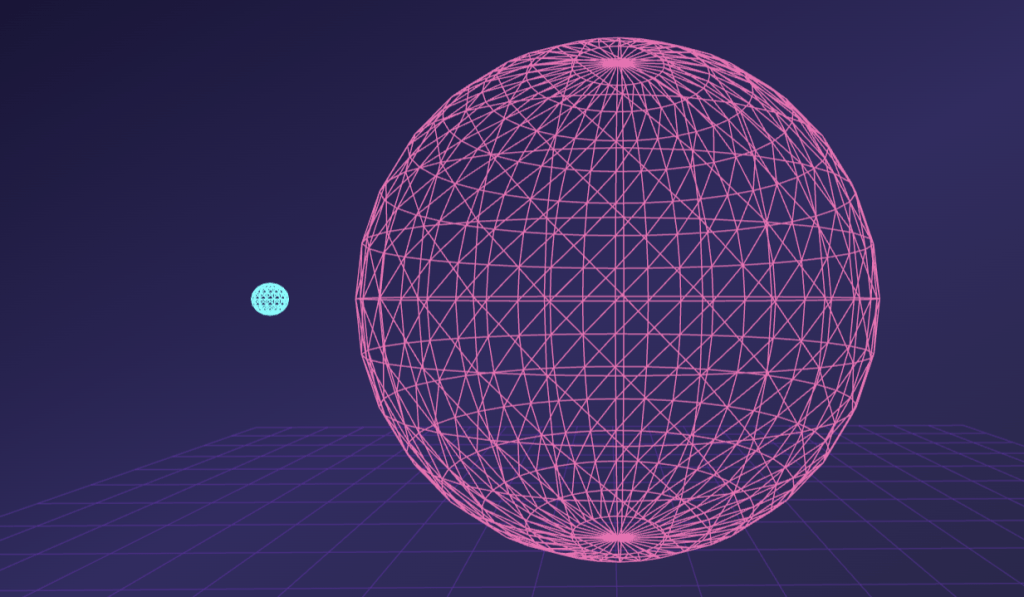
In the 1970s, Kip Thorne (later a Nobel laureate) and Anna Żytkow ran simulations of interacting stars under the urging of Bohdan Paczynski, and proposed that in theory, it was possible for a neutron star could consume the core of a red giant or a supergiant, a bloated star approaching the end of its life. If the masses of the two objects were just within favourable constraints, they would form a stable entity called a Thorne–Żytkow Object (TZO). Despite being a few tens of kilometres across, the neutron star could contain as much mass as two Suns. A teaspoon of this degenerate, crushed material would weigh as much as a mountain. Surrounding it would be the bloated red giant, its surface extending to a distance comparable to the orbit of Jupiter around the Sun. From a distance, a TZO would appear exactly like an ordinary Red Giant. Those who examine the light from a TZO carefully, may be able to discover the extraordinary secret hidden within.
Dark Alchemy
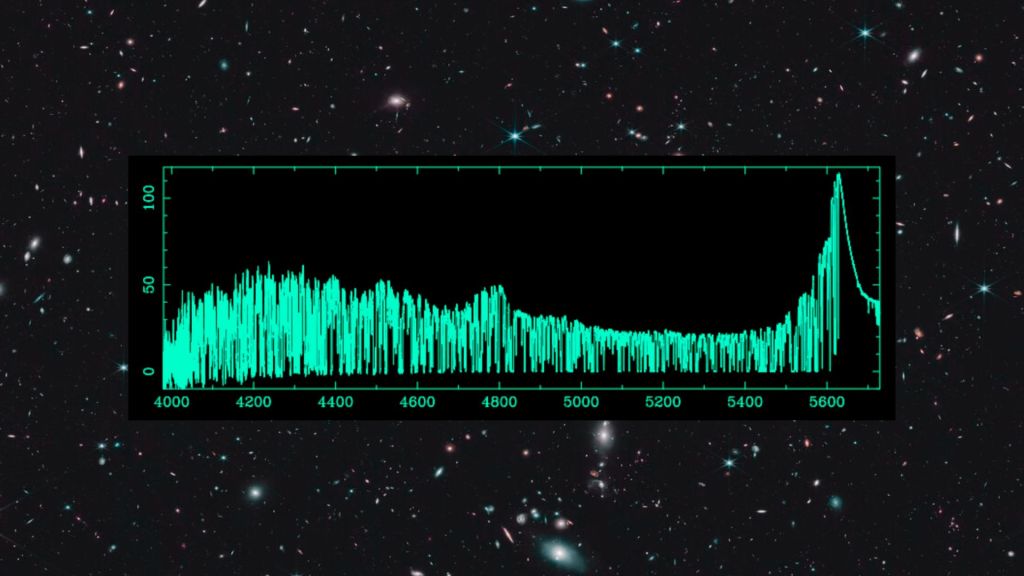
The neutron star with its crushing gravity would disrupt the fusion processes in the heart of the red giant. Instead of fusing hydrogen into helium, the core becomes a forge of the heavier, more exotic elements, producing them at an accelerated pace. Unusual chain reactions would dominate in this nuclear furnace, with exotic isotopes emerging from a process called rapid proton capture. The entire envelope of the ageing star would be convective, forming a cosmic blender, dredging up the exotic elements to the exterior. The photosphere, or the visible surface would be brimming with rubidium, molybdenum, strontium and other oddities.
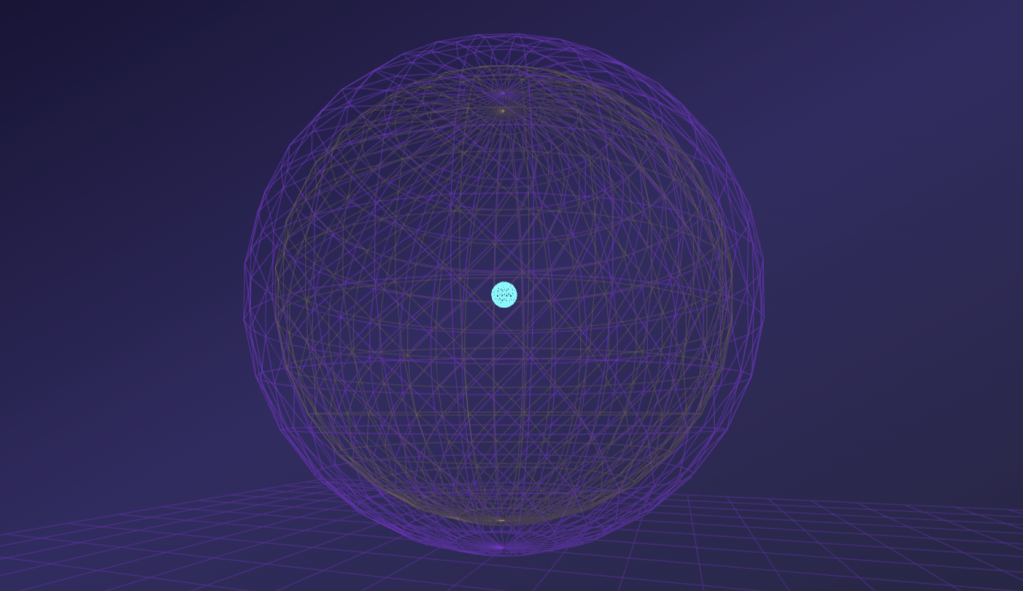
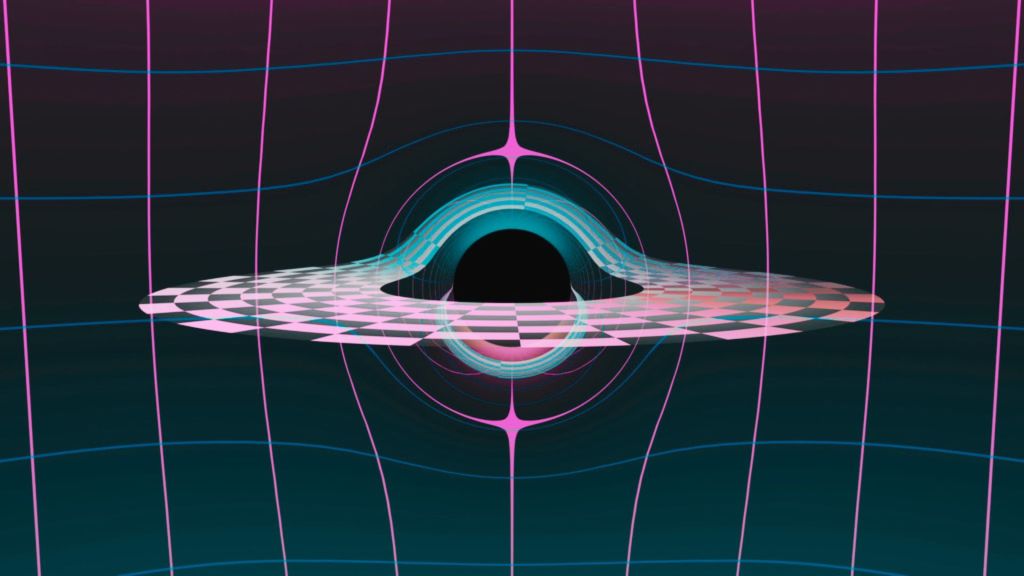
These chemical signatures are the calling card of a TZO, allowing telescopes to determine their natures from astronomical distances. The lifespan of a YZO is uncertain, and contingent on the mass of the giant. A lower-mass TZO would shed its outer layers, leaving behind a solitary pulsar. A massive TZO could collapse into a black hole, with the neutron star being consumed by an even denser singularity. For decades, TZOs remained theoretical, but in 2014, the star HV 2112 discovered in the Small Magellanic Cloud was discovered with an overabundance of heavy elements consistent with models of TZOs, but the further analysis cast doubt on the interpretation. HV 11417 is another candidate, but no TZO has yet been confirmed beyond doubt. “Nevertheless, it is fun to speculate” noted Thorne and Żytkow in their original paper.
Sources:

Leave a comment