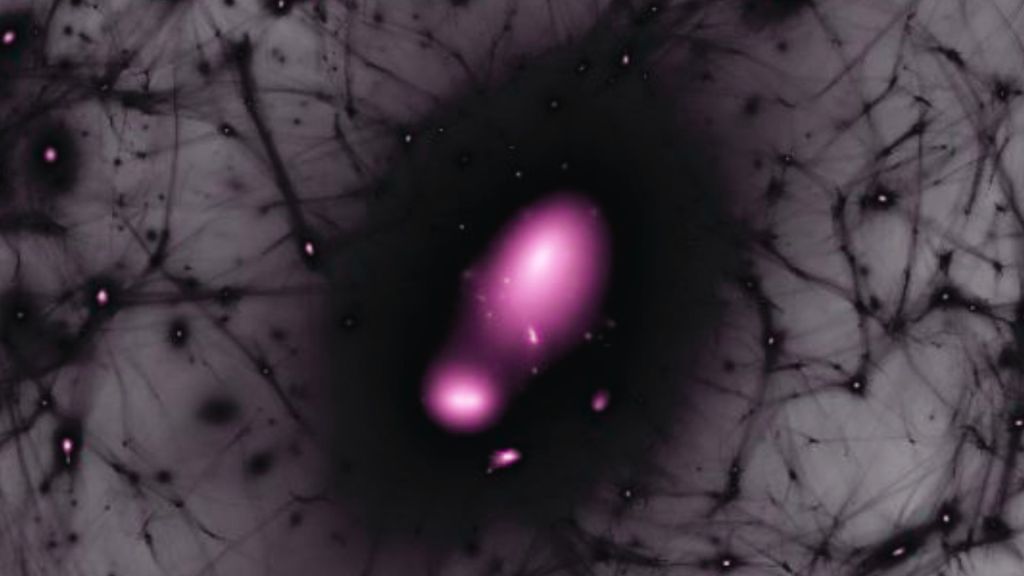
On the largest scale, the universe is mostly invisible, a vast and intricate web of dark matter strands. All the visible galaxies are embedded within dark matter haloes. These galaxies are made up of stars, gas and dust, held under the influence of gravity, most of which is from the invisible and mysterious dark matter. Within galaxies are vast clouds of cold gas, nebulae that are stellar nurseries. These clouds are made up of mostly hydrogen molecules at 40 Kelvin, or -233.1°C. The stars are born from dense clouds in these stellar nurseries. When a galaxy runs out of the gas, there is no more raw material for new stars to be born. A dead or quiescent galaxy produces no new stars.
Most galaxies in the early universe formed new stars at a spectacular rate. This is because there were tremendous reservoirs of gas available in the infancy of the universe, which have diminished with time. The James Webb Space Telescope is providing scientists with the window into the Cosmic Dawn for the first time, a period in the early universe when the first stars and galaxies formed. To the surprise of scientists, Webb has spotted massive, dead galaxies that formed and died within two billion years of the Big Bang.
Quenched Galaxies
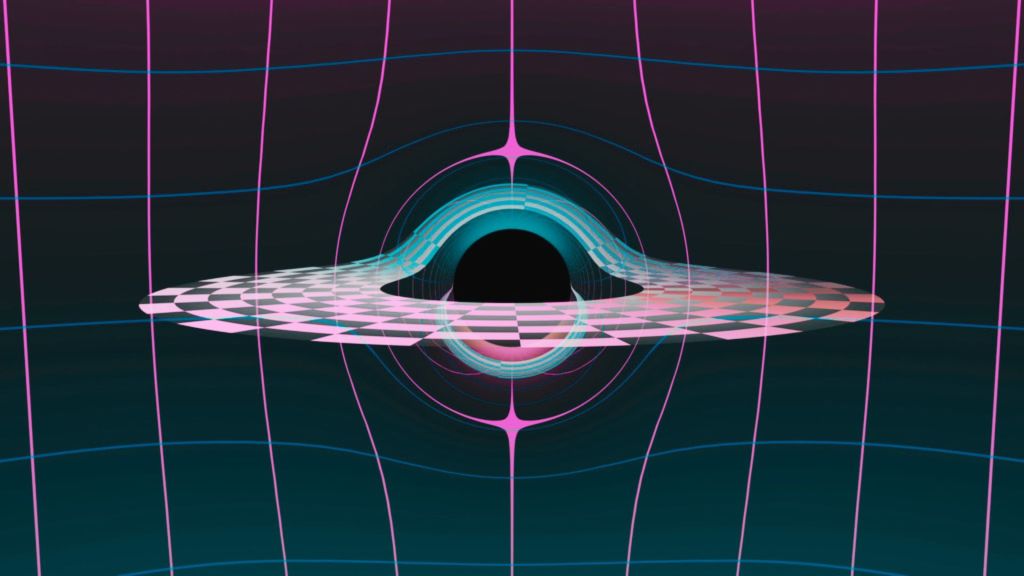
One puzzling aspect of the discovery is how these galaxies grew so rapidly despite a lack of star formation. The ages of the stars within these galaxies suggest rapid formation, followed by a rapid shutdown, indicating feedback processes at work. Feedback here refers to energy from stars or black holes that influences the gas reservoirs in stellar nurseries, preventing the formation of new stars. Supernovae from clusters of massive stars that lived fast and died young, exploding like strings of fireworks, could blow the gas out of the galaxy. In massive galaxies with active black holes feeding voraciously on the surrounding black holes, the accretion disk can shine brightly enough for high velocity winds to blow out the gas, and some of the infalling material channeled to polar jets can also push away reservoirs of gas.
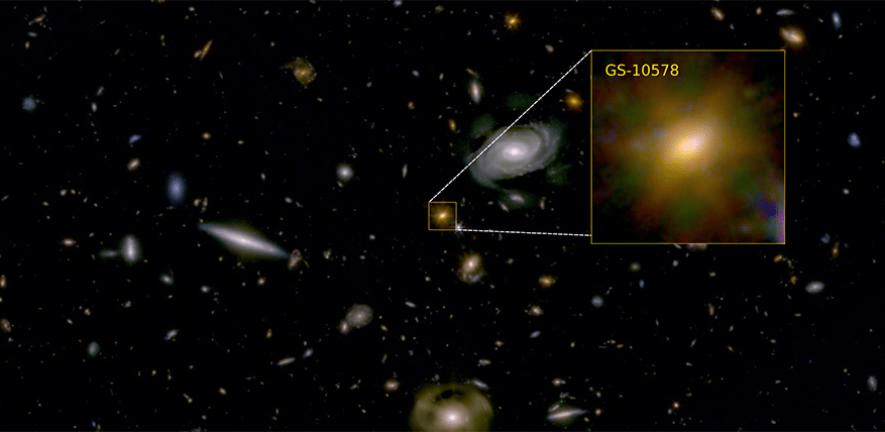
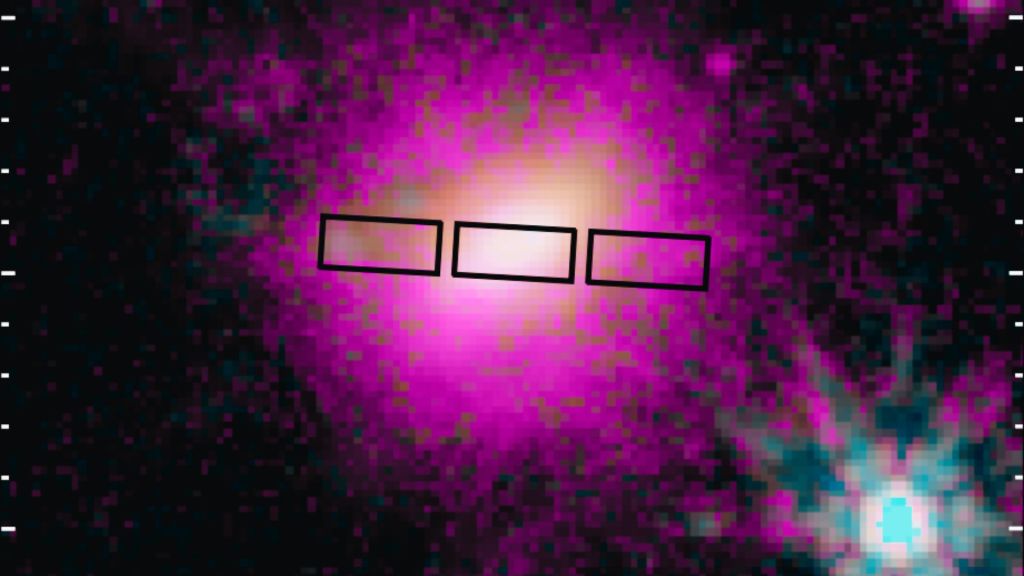
Recently, astronomers used the James Webb Space Telescope and the Atacama Large Millimeter Array (ALMA), to study a galaxy designated as GS-10578 that formed and died within three billion years of the Big Bang. It is similar in size and mass to the Milky Way, but formed much earlier. Observations indicate that the galaxy hosts an active galactic nuclei, or a supermassive black hole with a bright accretion disk that is consuming the surrounding gas and dust. The ALMA instrument is capable of detecting carbon monoxide, which is a tracer for molecular hydrogen gas. After seven hours of observations, no signal appeared. The lack of a detection allowed astronomers to constrain the amount of molecular gas the galaxy could possibly contain, less than 0.8 per cent of its stellar mass. This is the lowest fraction of gas for such an early, dead galaxy.
The black hole killed its host galaxy
Galaxies at similar distances or redshifts have gas fractions between 10 and 50 per cent. Even other AGNs host more gas. The dead galaxies at lower redshifts show such low proportions of gas. The observations by Webb’s NIRSpec instrument revealed signs of old stars, and that the galaxy was forming fewer than 5.6 solar masses of new stars every year. These observations also revealed outflows of neutral gas, and weaker outflows of ionised gas. These are signs of ejective feedback from the supermassive black hole at the core of the galaxy, that is expelling gas and preventing the formation of new stars.
The researchers were also able to reconstruct the gas consumption history of the galaxy. The scientists suspect that preventive feedback is heating the halo of the galaxy, preventing the galaxy from accreting more gas from the circumgalactic medium. Another possibility is that the ejective feedback is expelling the incoming gas at a rate that precisely matches the inflows. In either case, the greedy and wasteful black hole is gobbling up all the gas in the galaxy, and blowing away what it cannot consume.
Source:
Measurement of the gas consumption history of a massive quiescent galaxy
Image Credit: University of Cambridge

Leave a comment