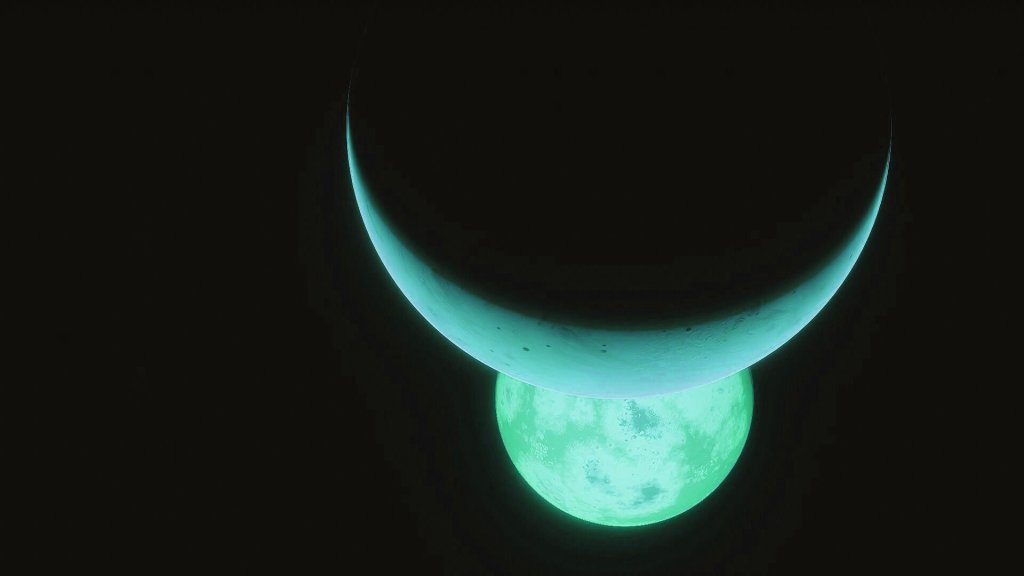
Stars are born in dense knots of gas, ice and dust, with matter initially clumping together from reducing temperatures, and then drawing in raw material under the influence of gravity. Eventually the mass density reaches temperatures and densities sufficient to maintain nuclear fusion, forging helium from hydrogen, marking the birth of a star. Planets are assembled in the rings of material falling inward, leftovers from the process of star formation. The circumstellar disk is flat, perpendicular to the axis of the star, running between its poles. On every planetary system across the universe, the worlds are clustered along the ecliptic. On every extraterrestrial sky, the worlds hosted by the central star are always aligned, forming a parade of planets whenever they are visible.
K2-3, LP-890, TOI-700
These are skies of habitable worlds. The biospheres on these star systems may extend beyond the limits of single planets, with multiple worlds in tight orbits around the host star.


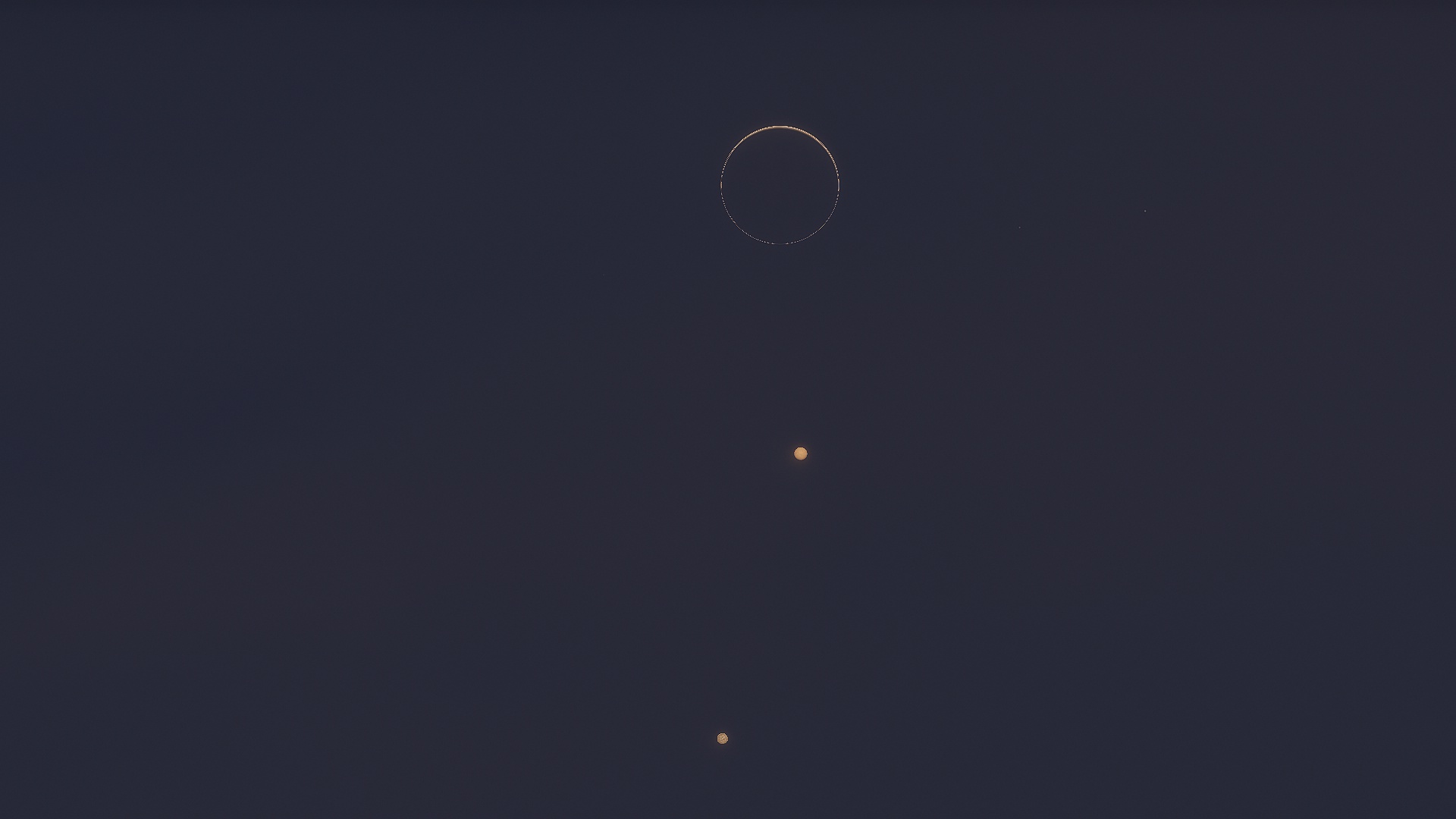

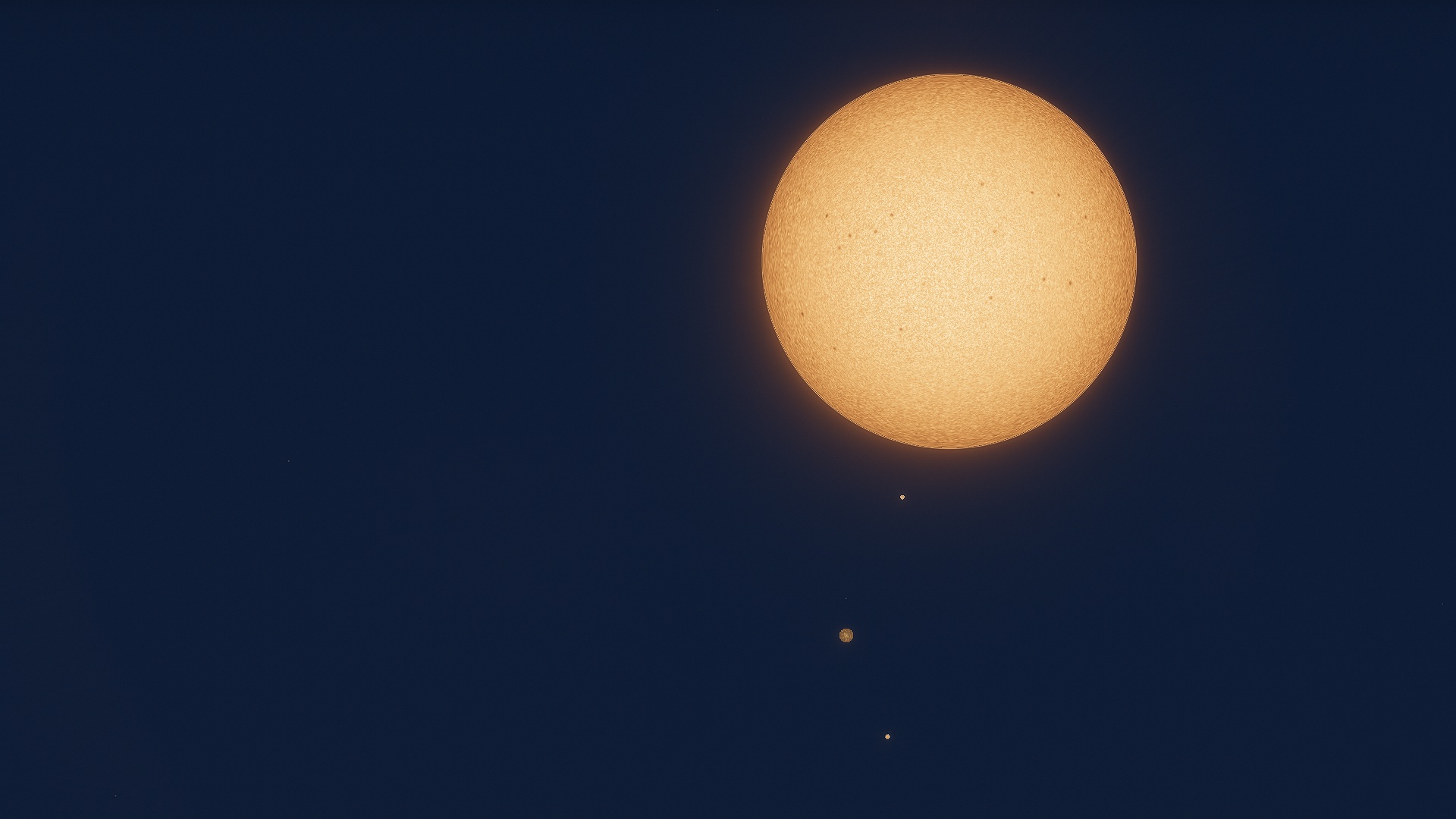
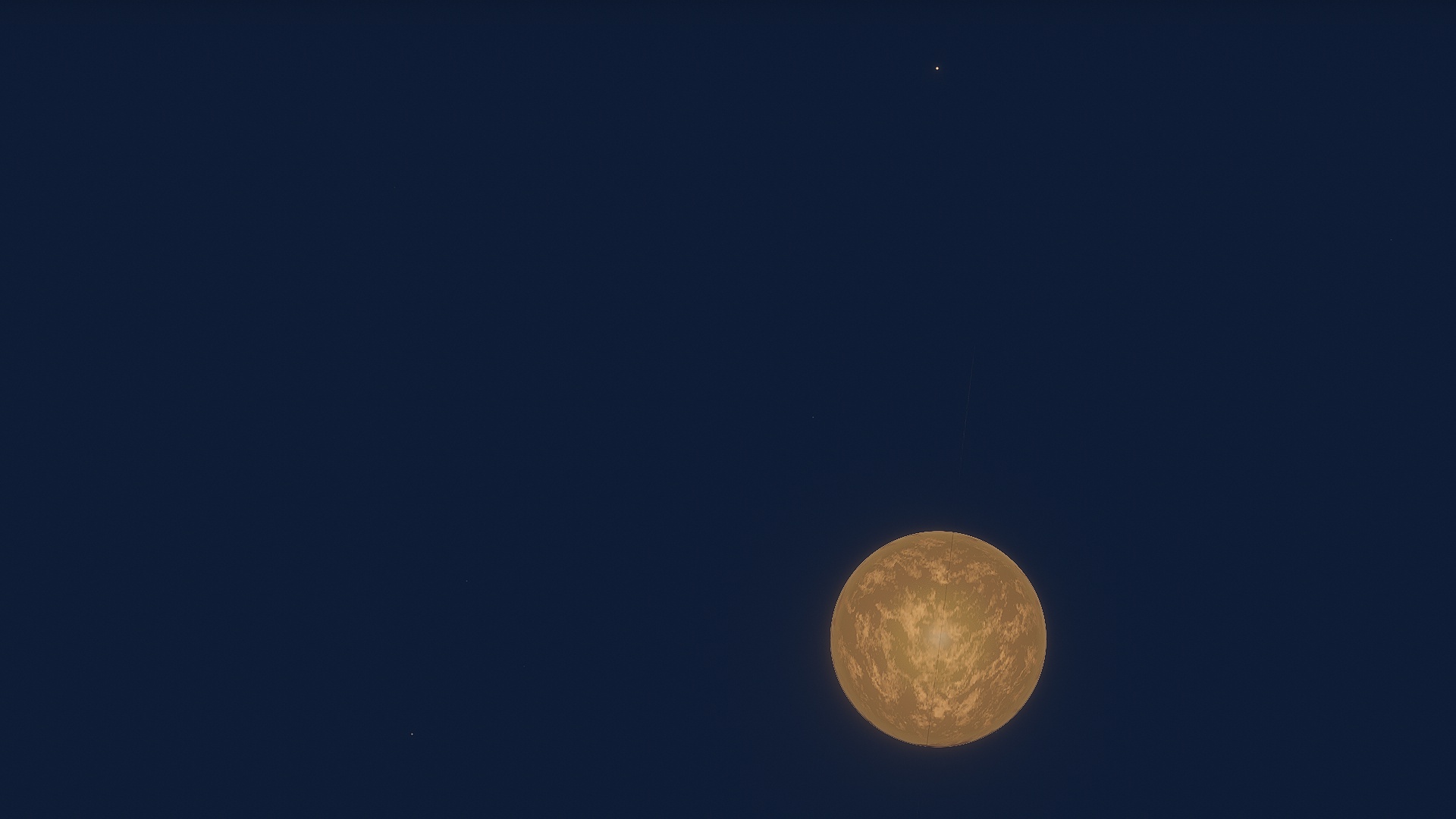
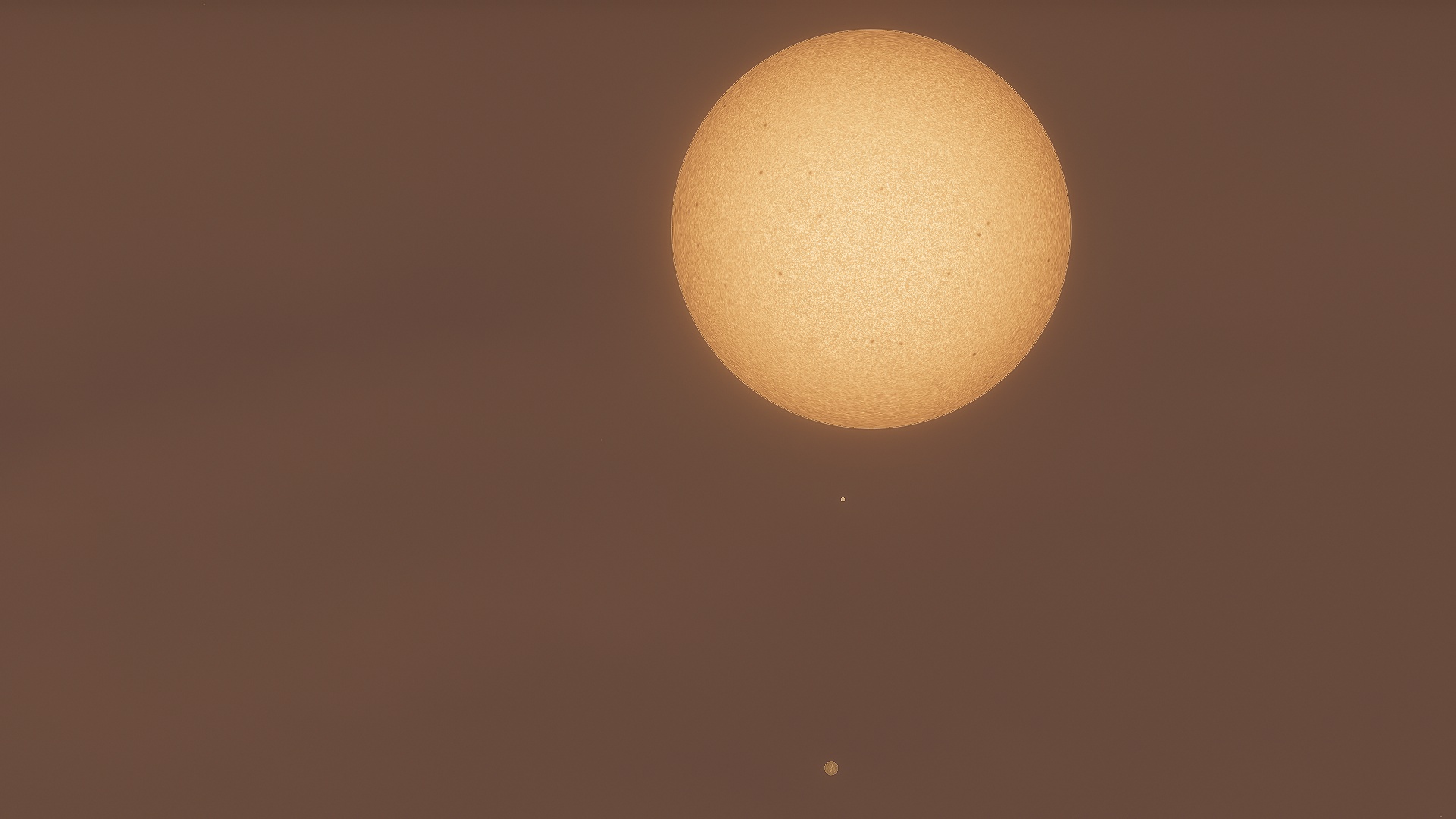
Alignments and parades are just how planets behave, a consequence of the ecliptic clustering. Multiple worlds appearing close together in the sky with little angular separation can be described more accurately as a conjunction. Spectacular tight groupings with most worlds in a system joining in can be described as grand conjunctions. The alignment of three or more celestial bodies in a gravitational system is a syzygy while the closest approach between two worlds is an appulse.
Trappist-1
On TRAPPST-1, seven terrestrial worlds orbit an ultracool dwarf star in orbits tighter than that of Mercury, locked in a resonant harmony.
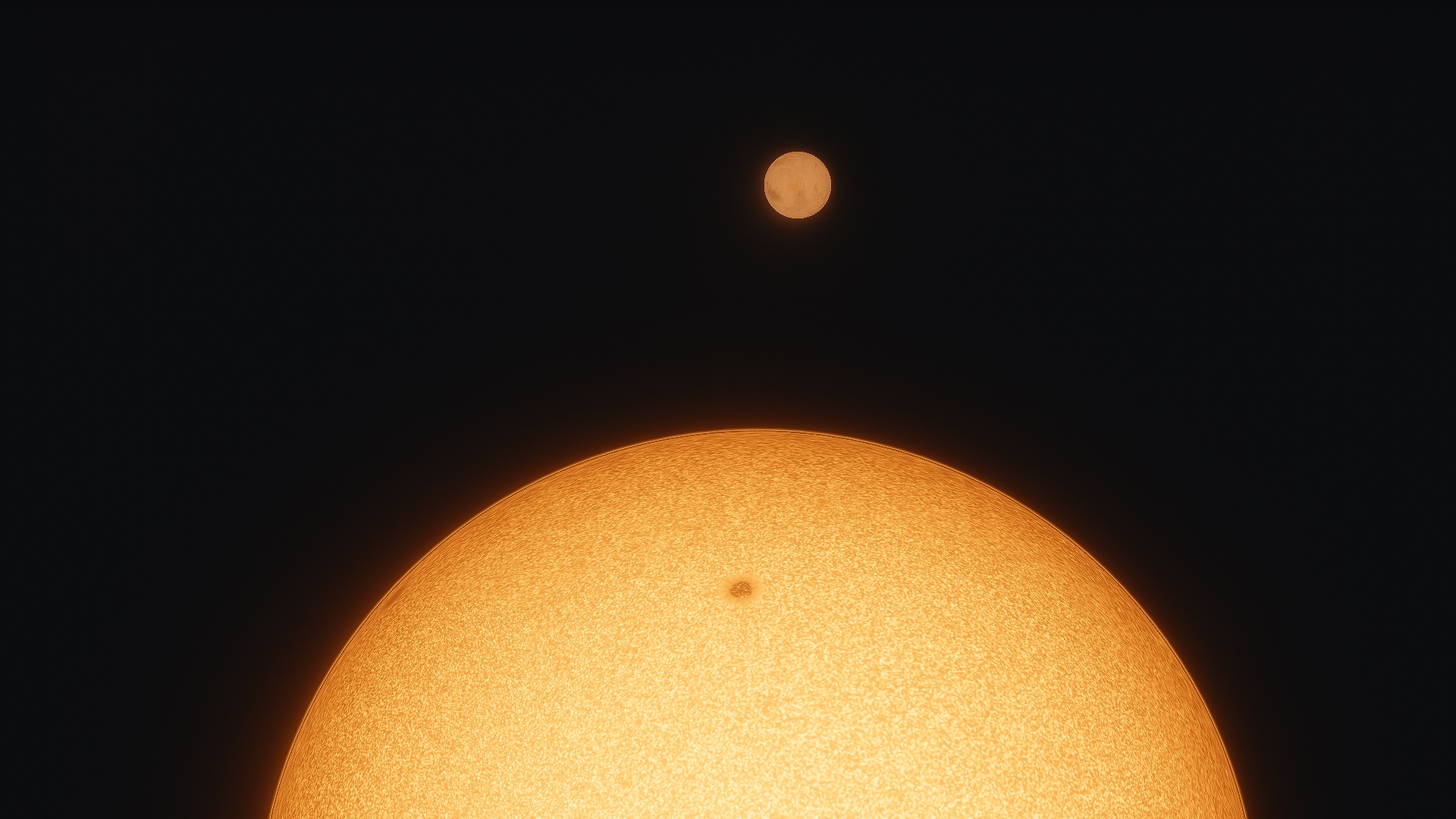

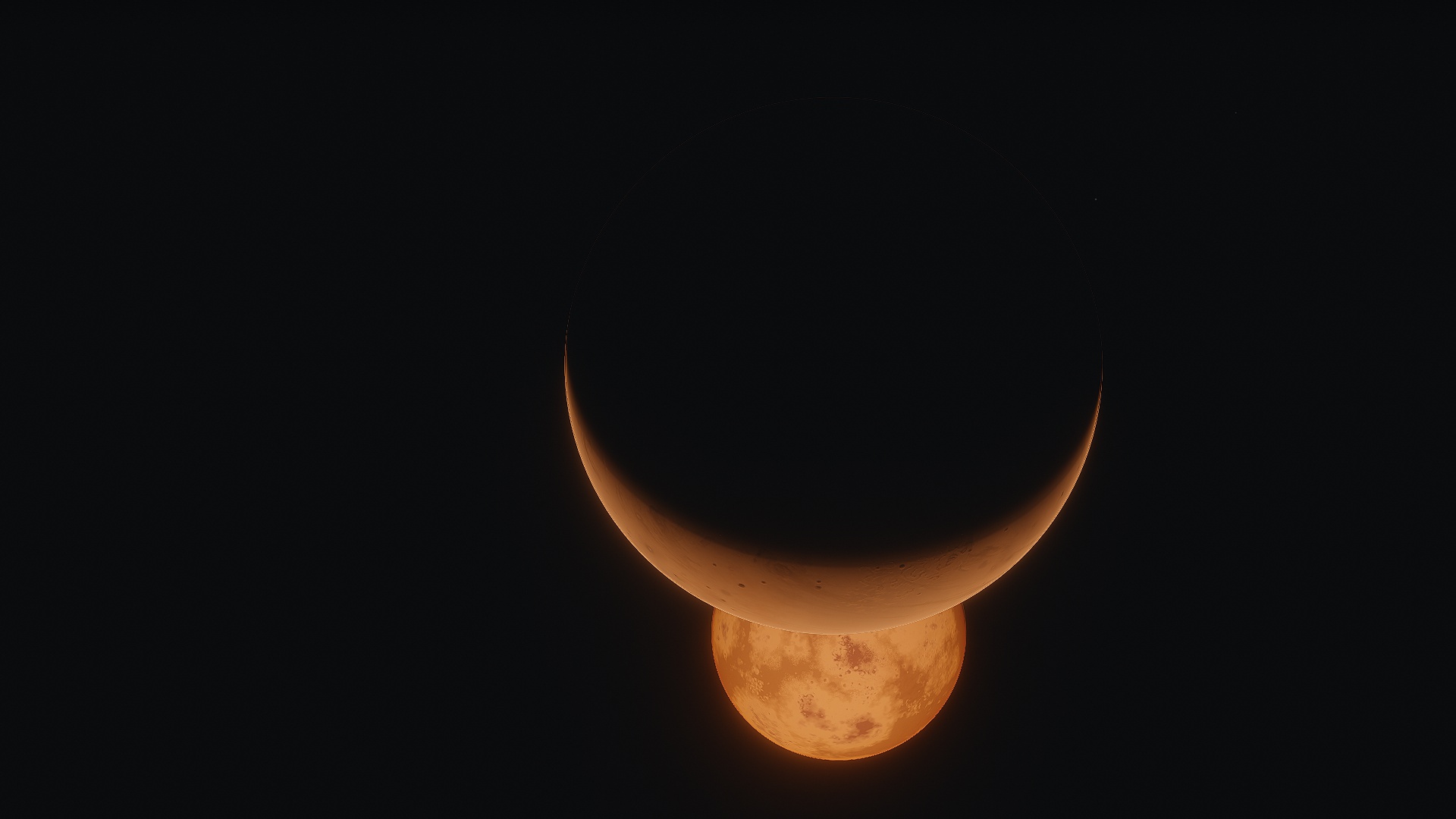
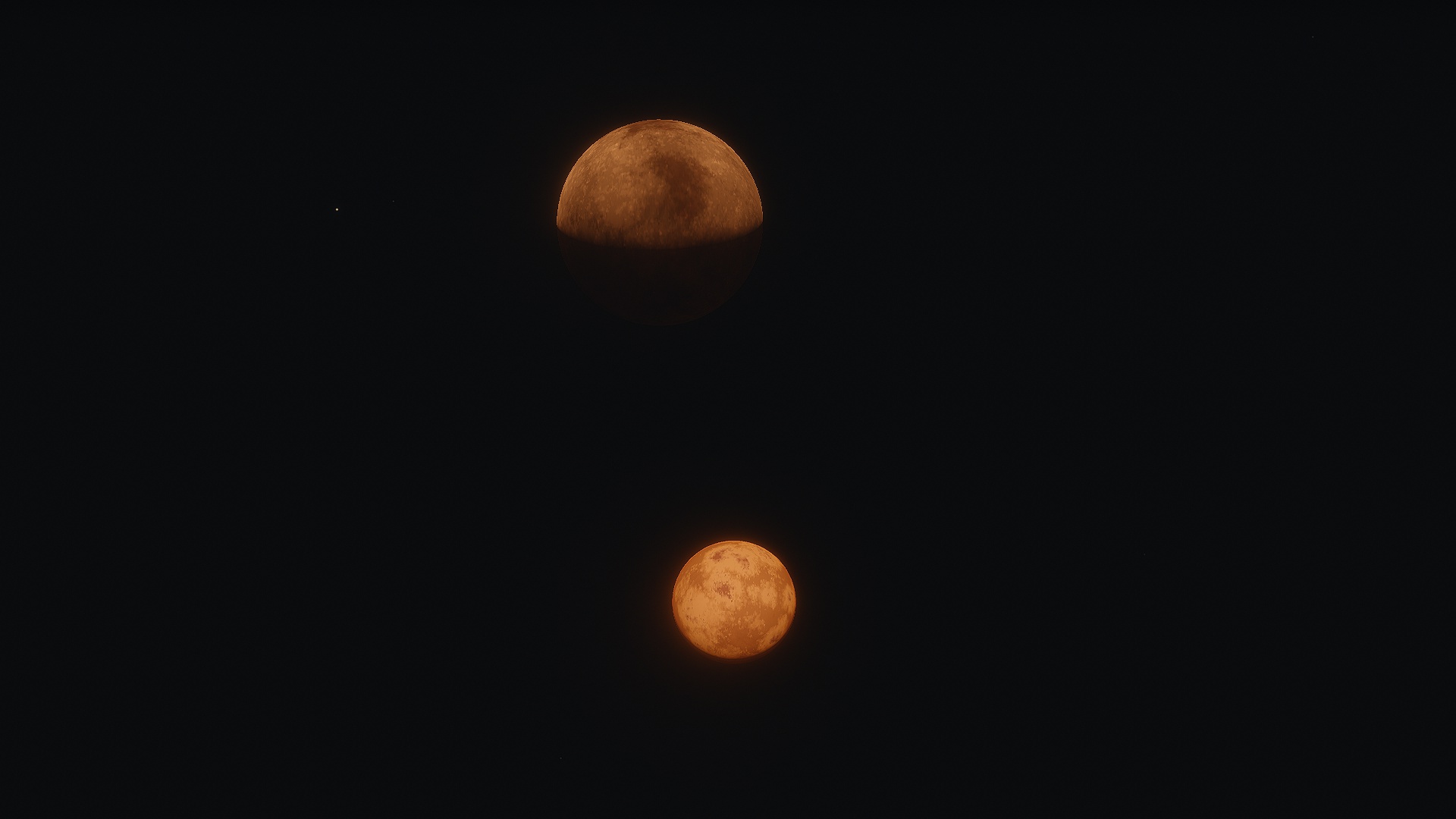
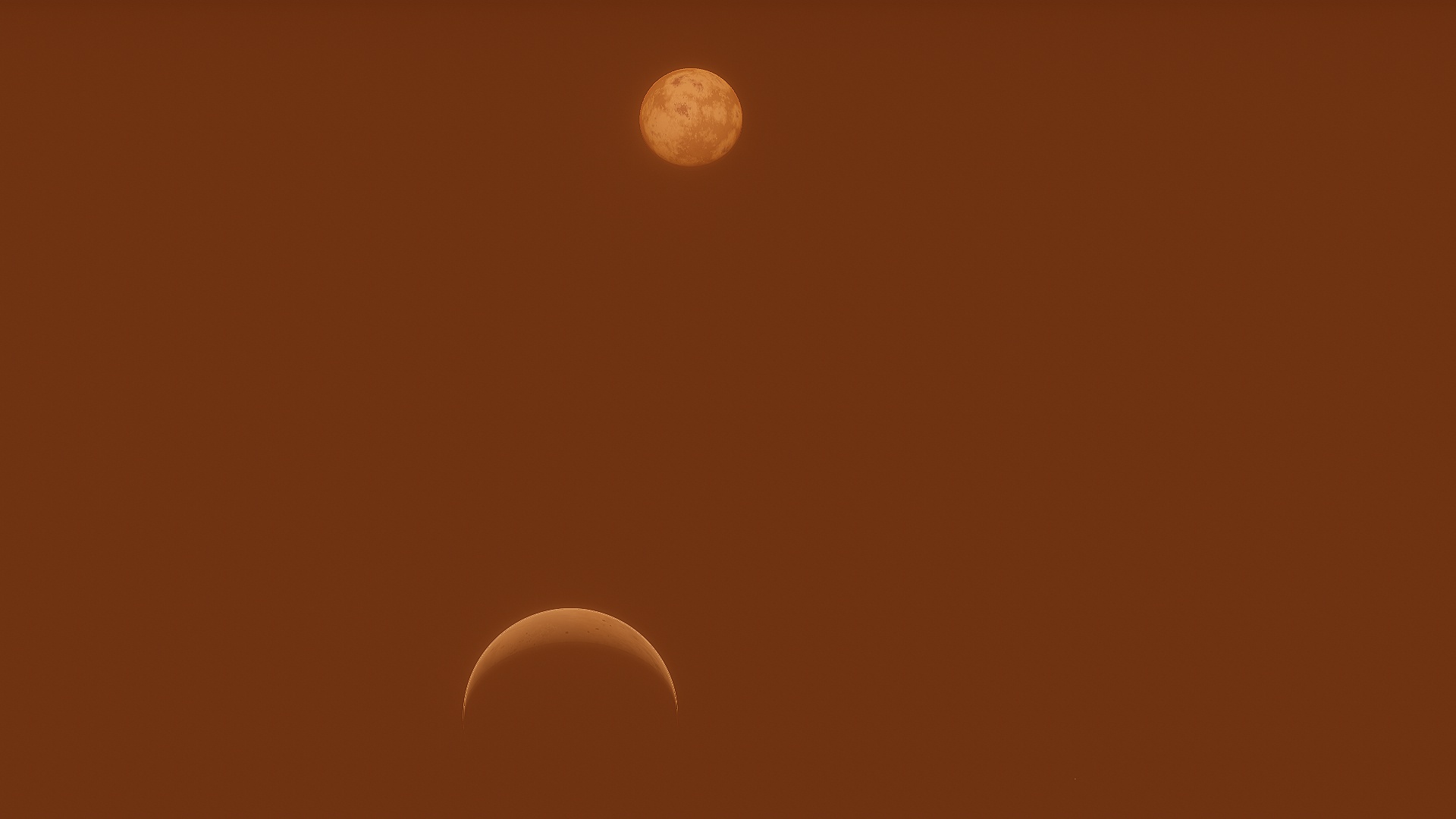
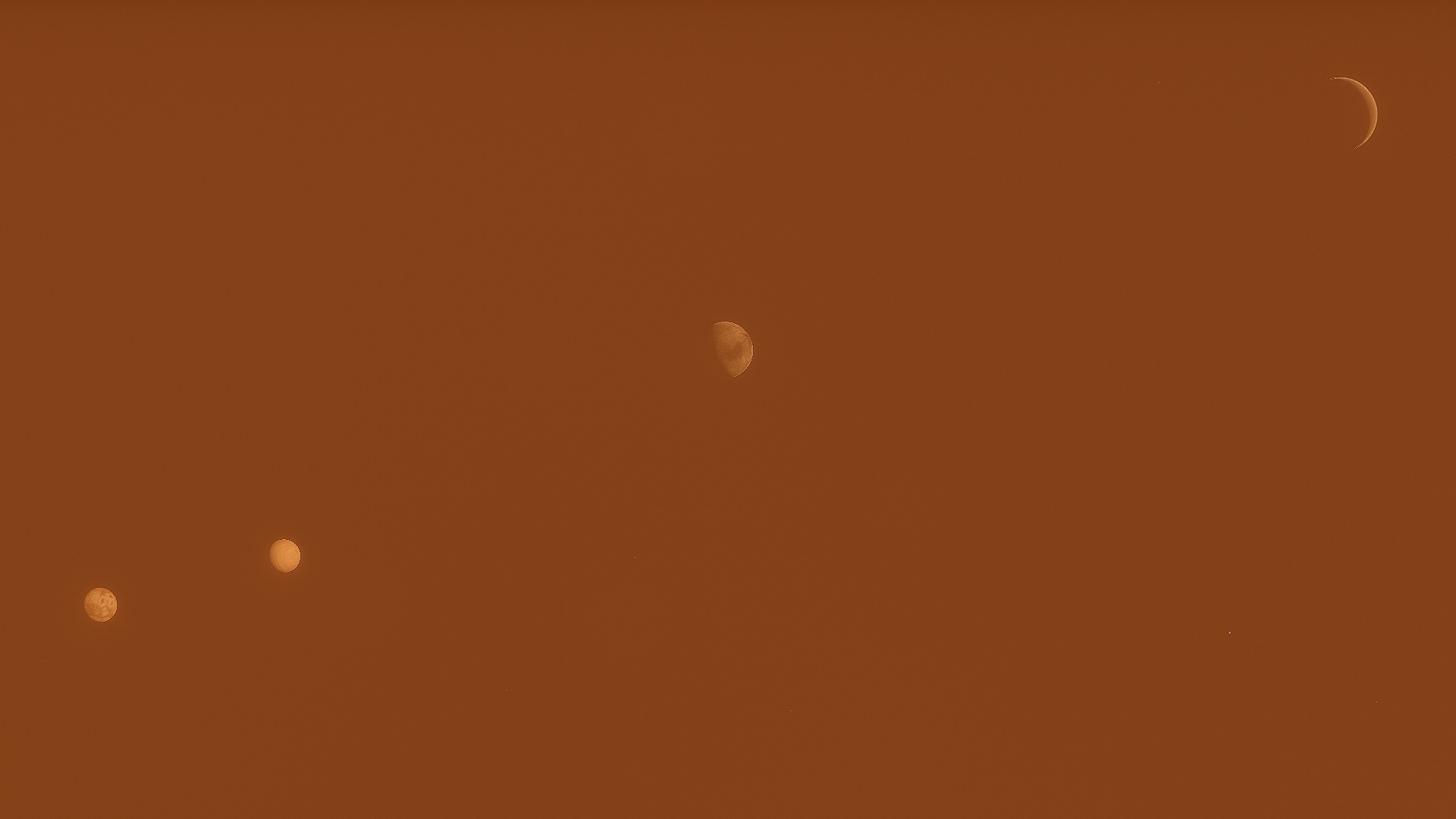
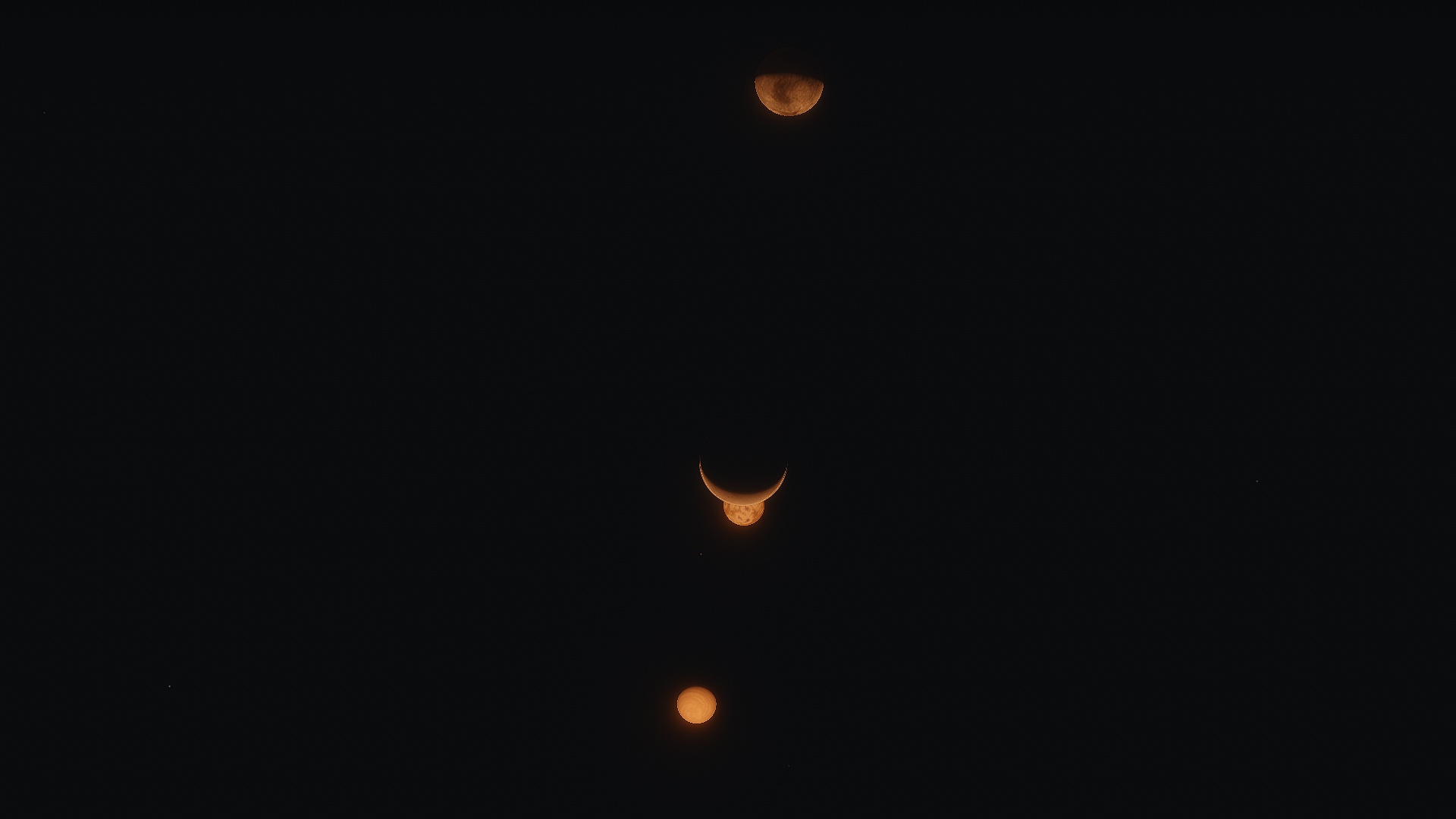
From subtle dips in the luminosities of distant stars, and slight wobbles in their motions, astronomers can deduce the presence of worlds. On multi-planet systems, the orbits, distances and mass ranges of the worlds can be worked out, allowing for simulated viewings of whatever you want to call them, planetary parades, grand conjunctions, appulses or syzygies.
Image Credits: Space Engine



Leave a comment