
The Tarantula Nebula, officially designated as 30 Doradus, is a star forming region in the Large Magellanic Cloud (LMC), a dwarf galaxy, and the closest neighbour of the Milky Way. The vast cloud of gas and dust is a stellar nursery, birthing entire clusters of new stars. There is so much raw material available in this stellar nursery, that thousands of massive, giant stars are born at once in this cluster, that burn rapidly through their nuclear fuel.
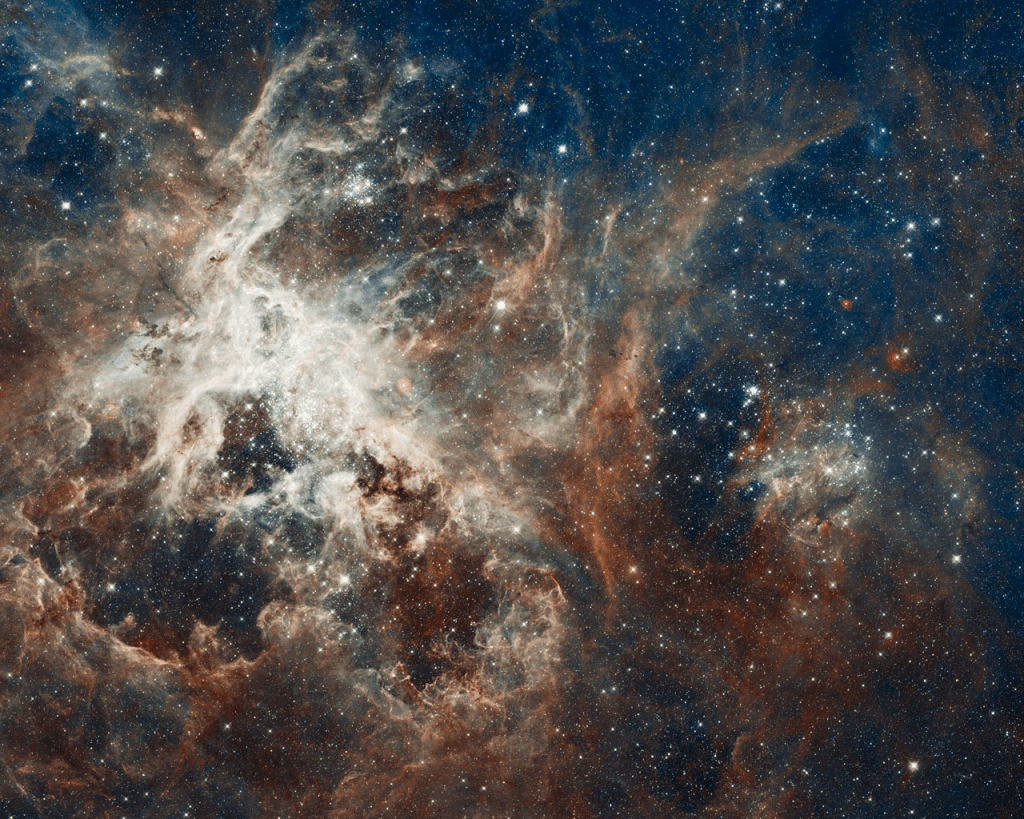
The region is producing new stars at a furious rate, and the stellar nursery is more active than any in the Milky Way. There are embryonic stars embedded deep within the glowing knots, as well as outsized giants on the brink of collapse.
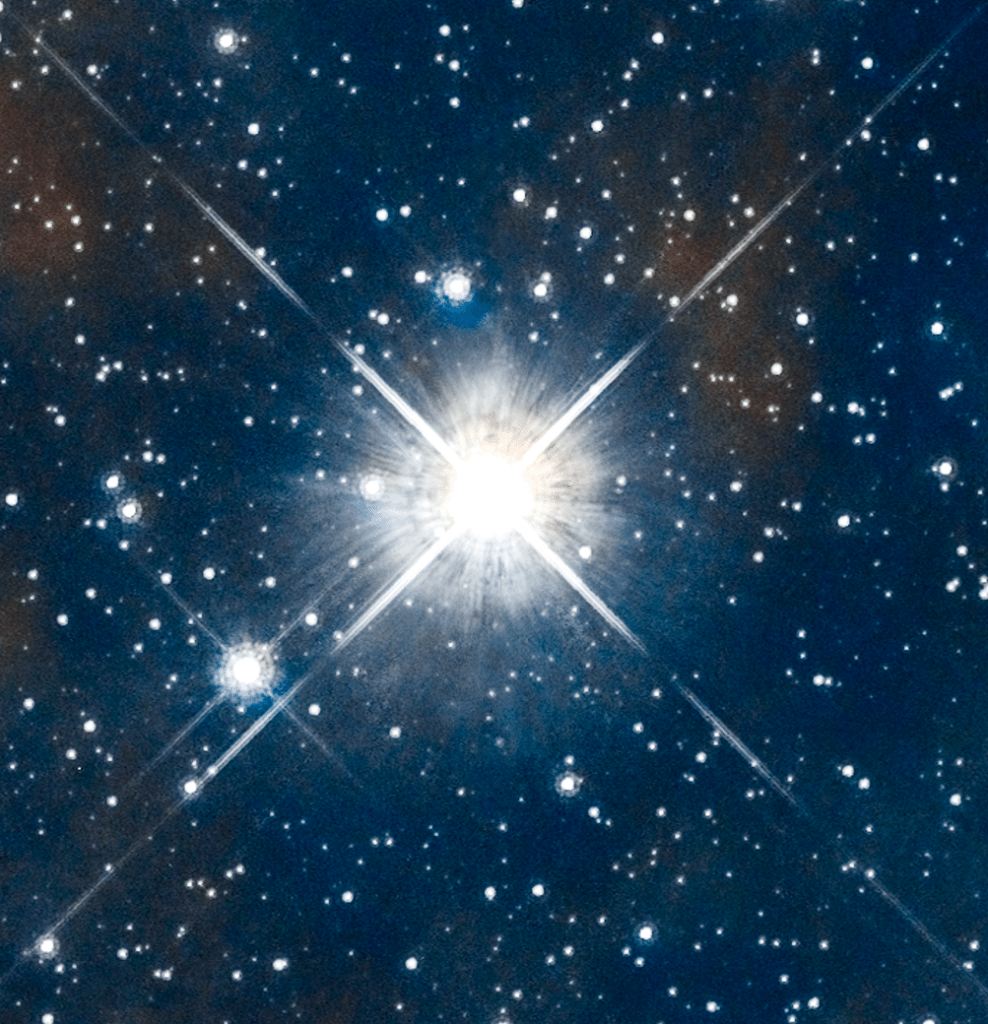
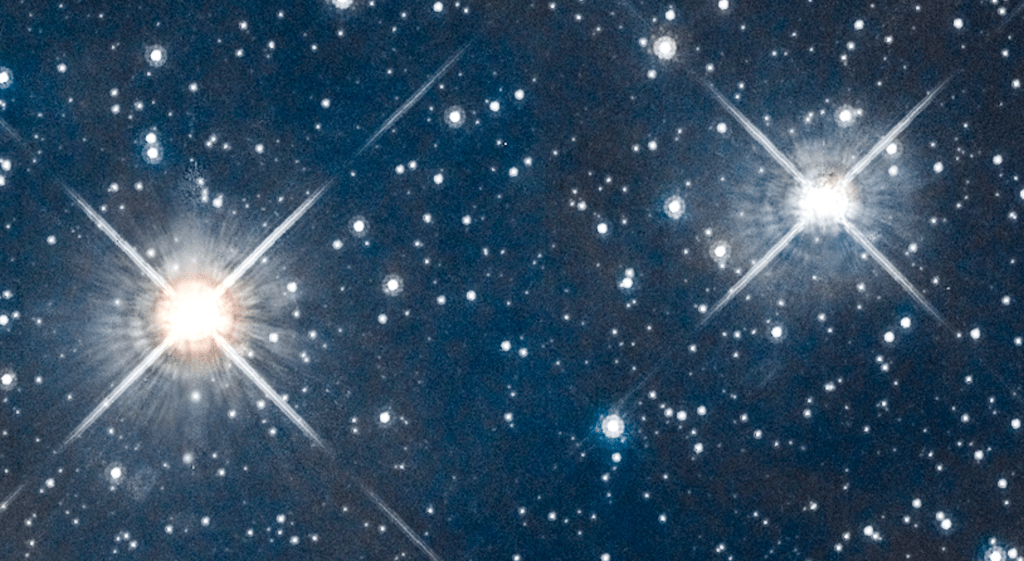
The high rate of star formation within 30 Doradus is similar to stellar nurseries in the infancy of the universe, where the first, massive stars formed within pristine clouds of hydrogen and helium, the lightest elements in the periodic table.
Notable Residents
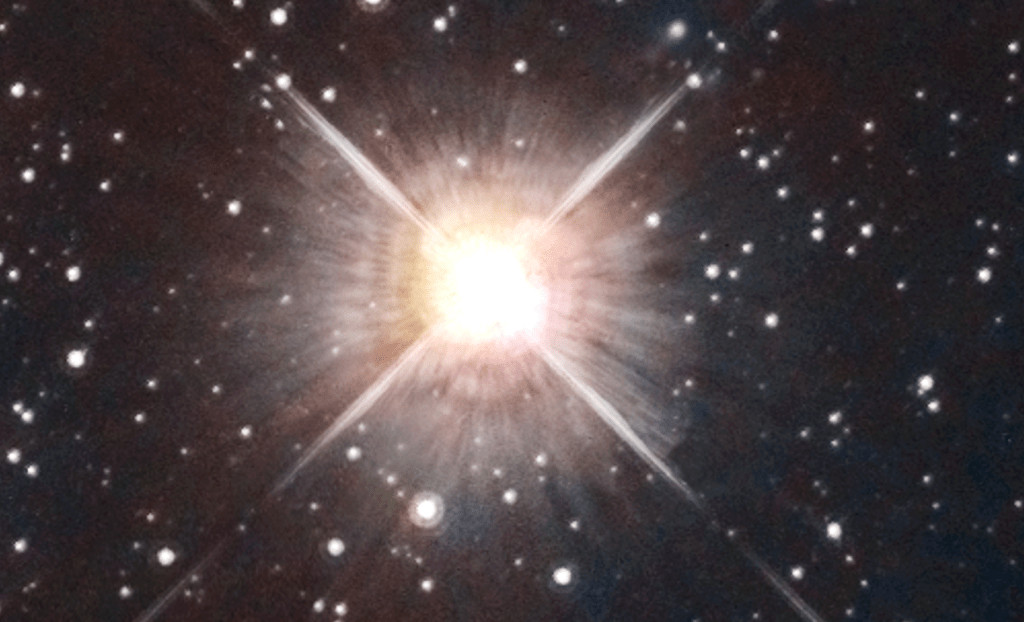
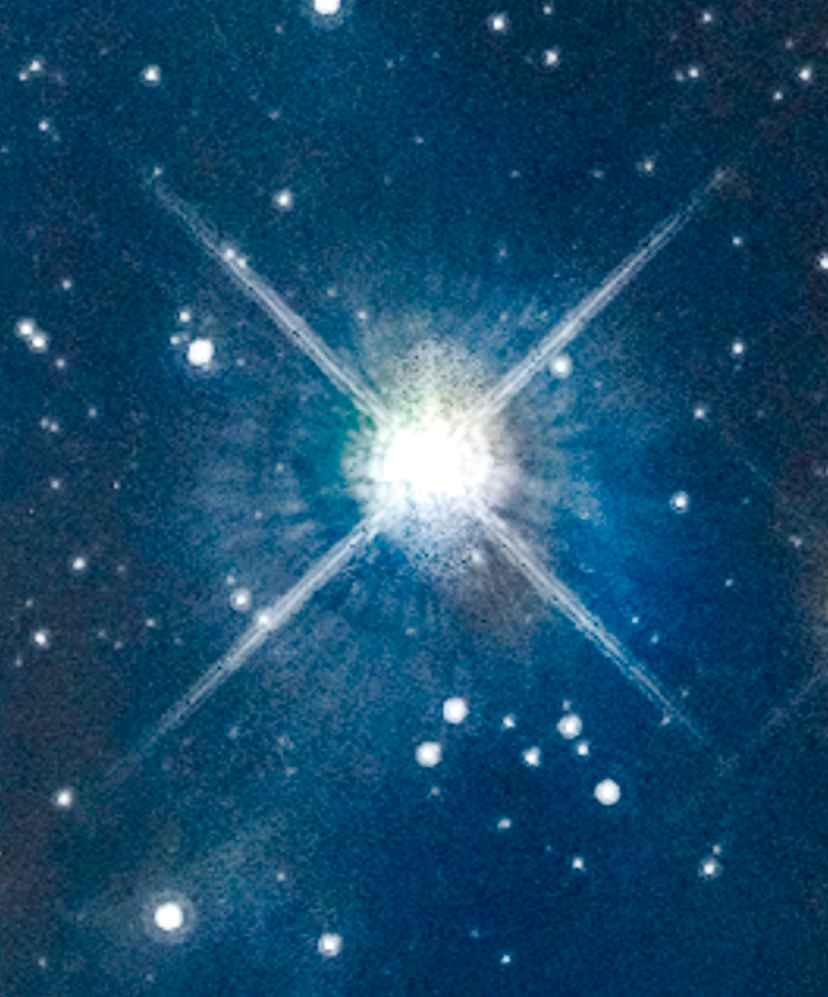
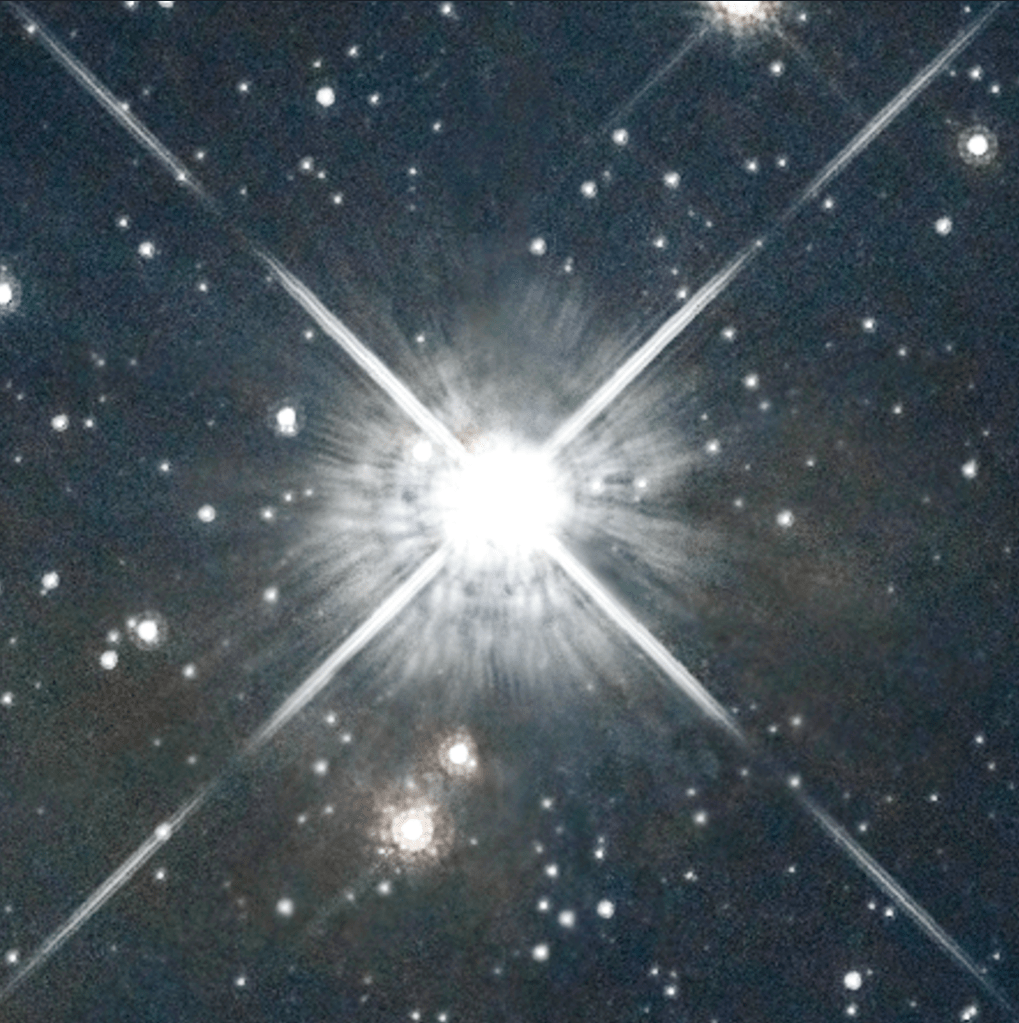
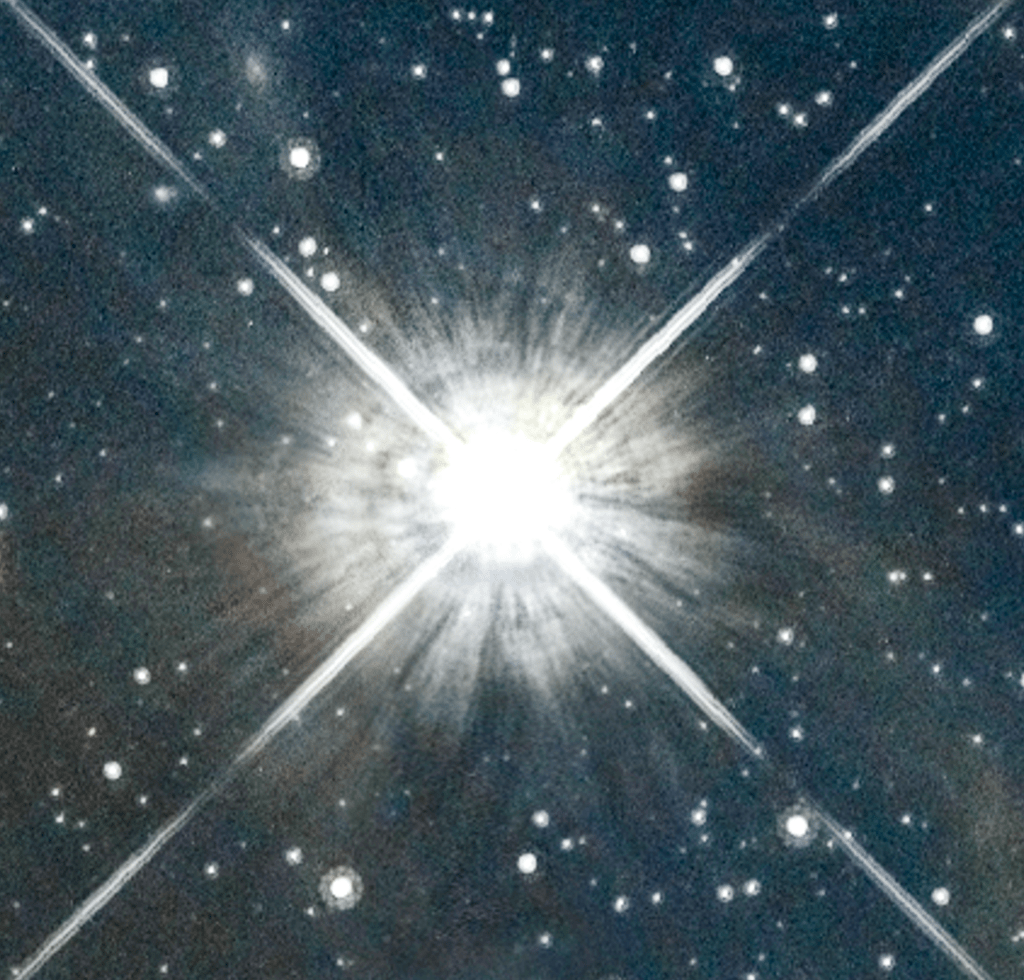
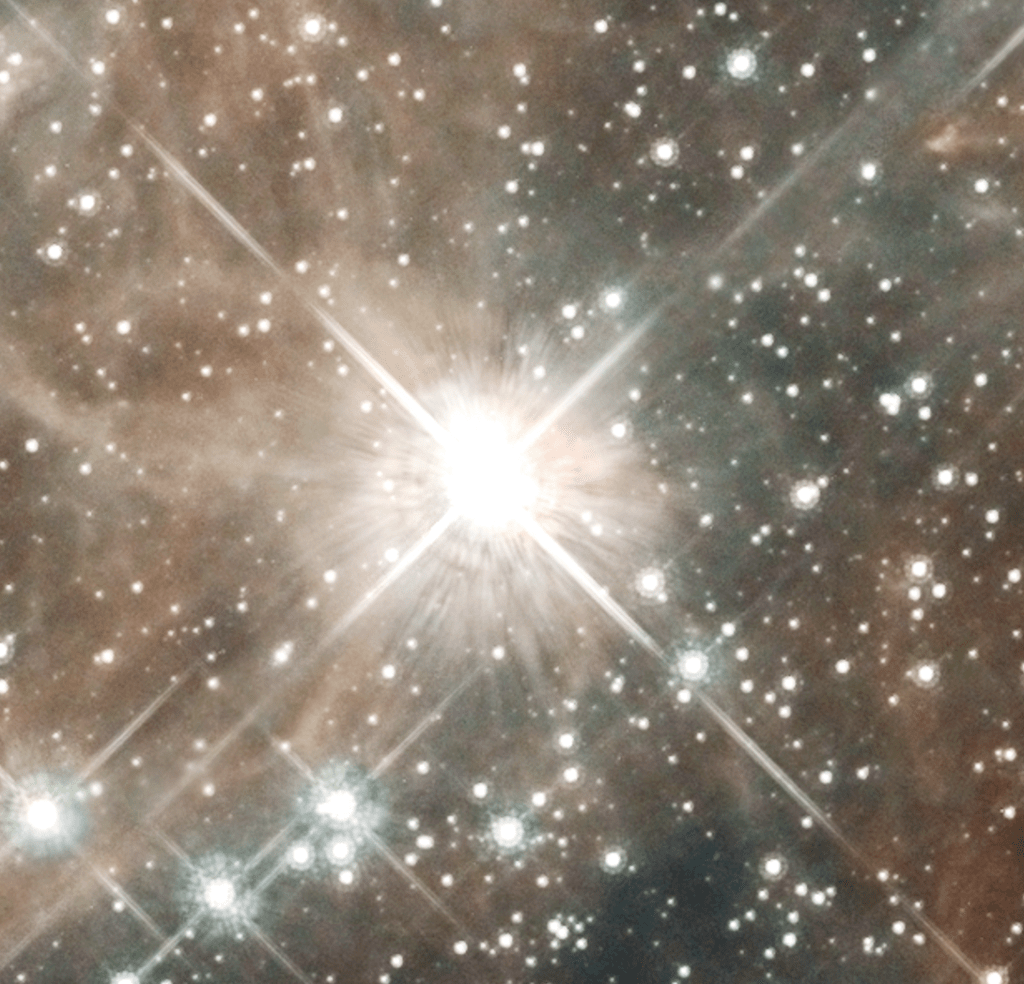
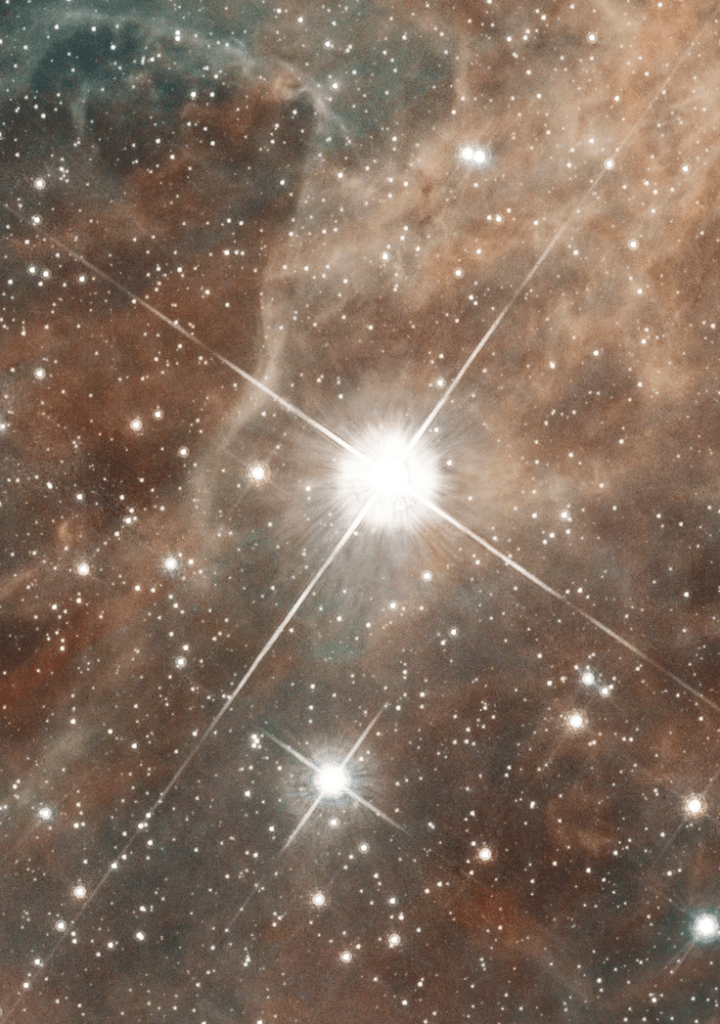
30 Dor #16 is a runaway star travelling at 400,000 kmph, ejected from the RMC 136 star cluster. VFTS #102 (bottom right) has the fastest rotation rate for a star.
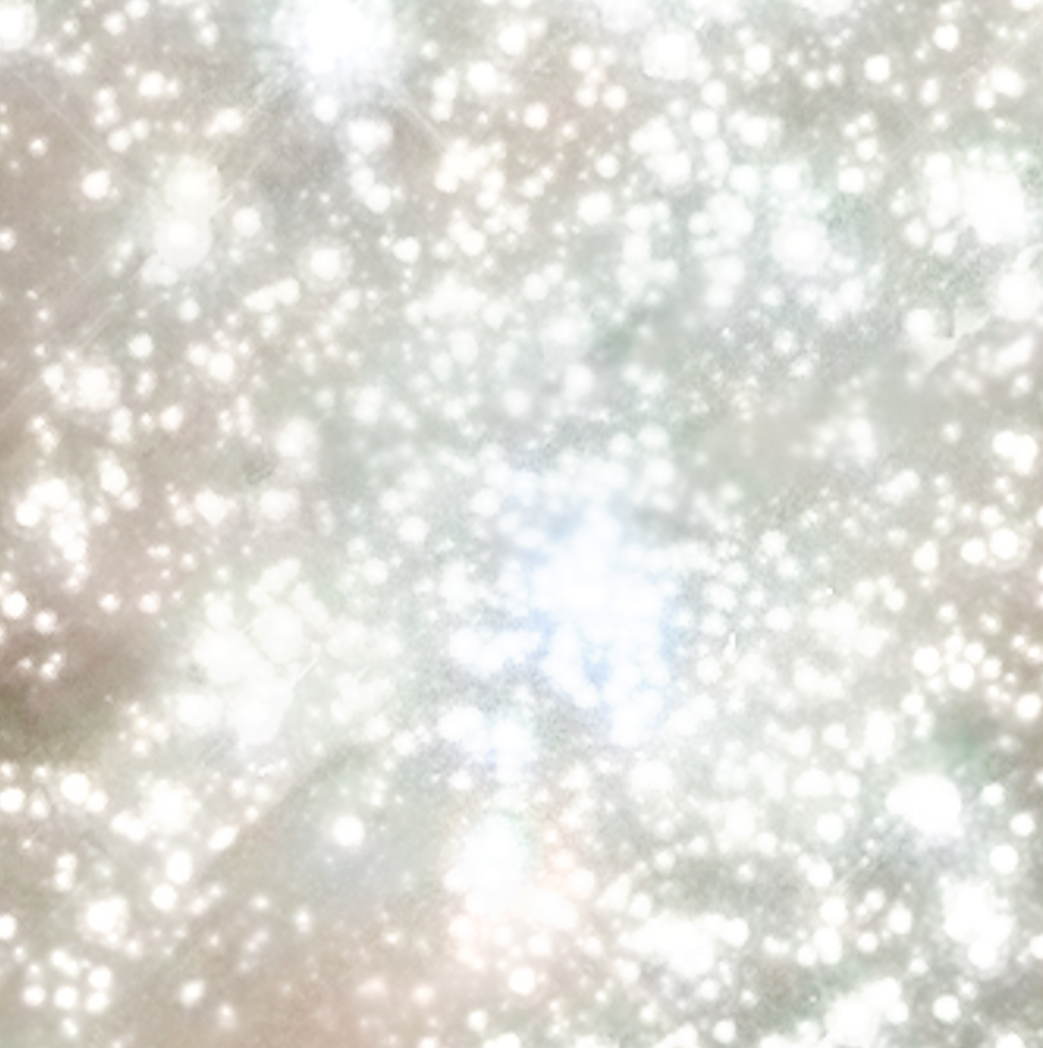
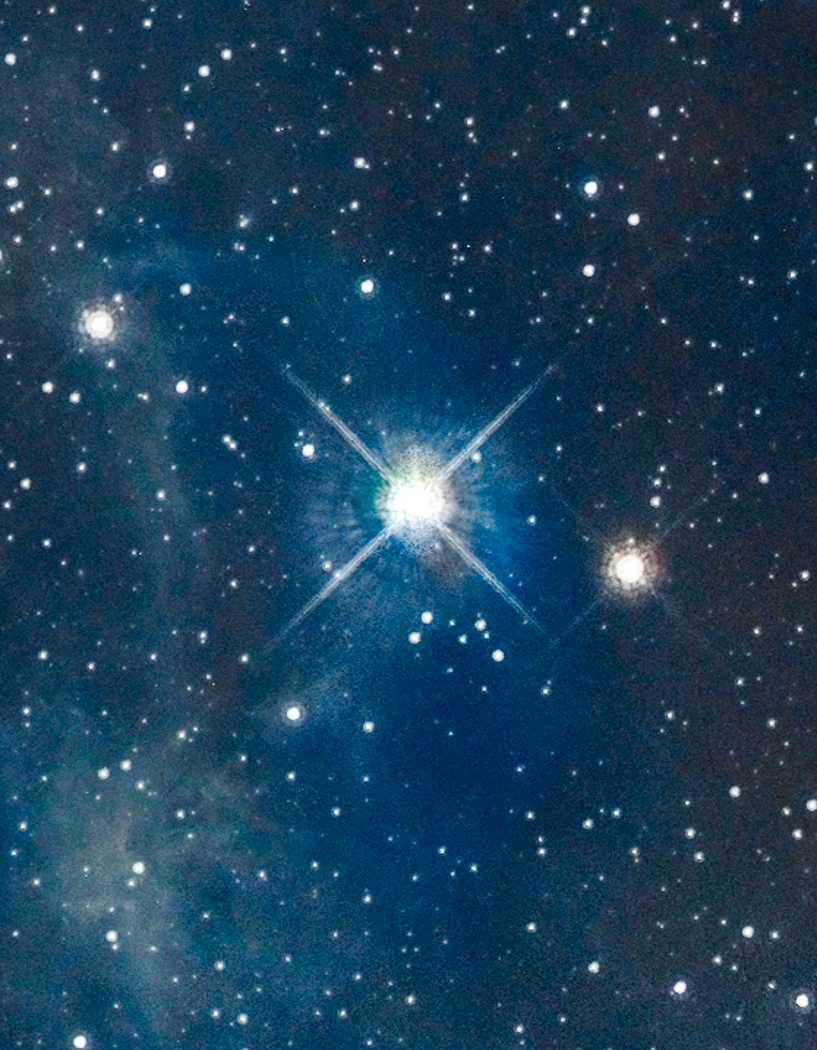
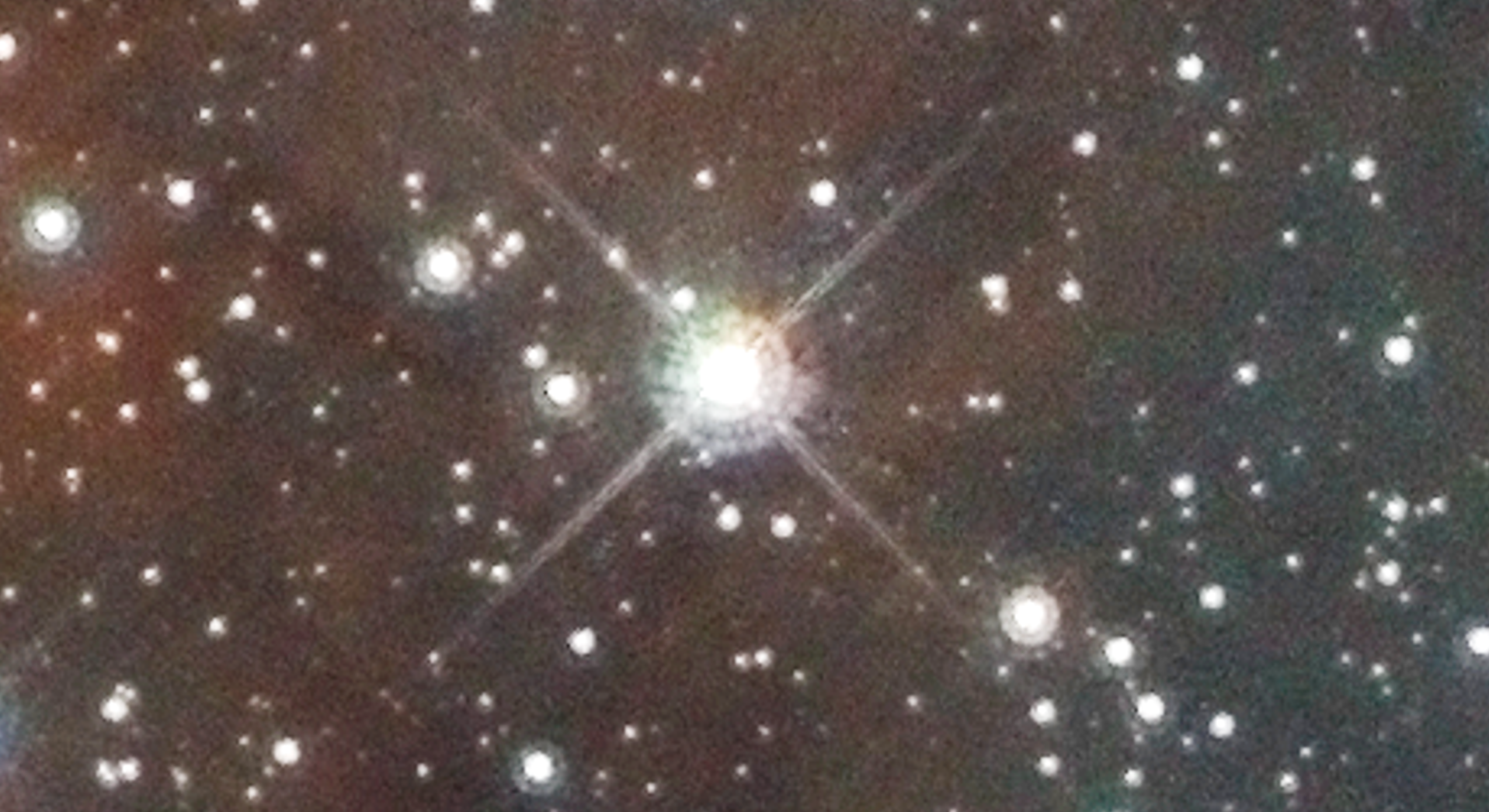
30 Dor #016 is between one and two million years old, and has travelled about 375 lightyears from the cluster that was its womb. The star contains 90 times the mass of the Sun, and was slingshot out of its home by a close encounter with a heftier cousin.
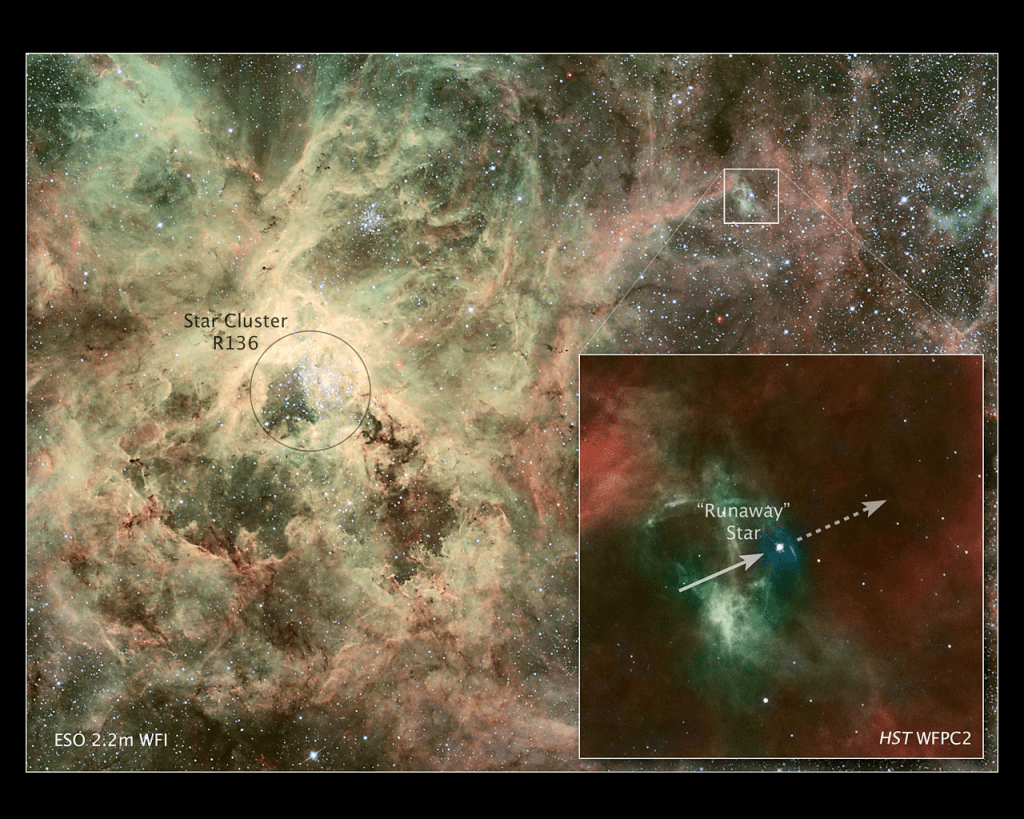
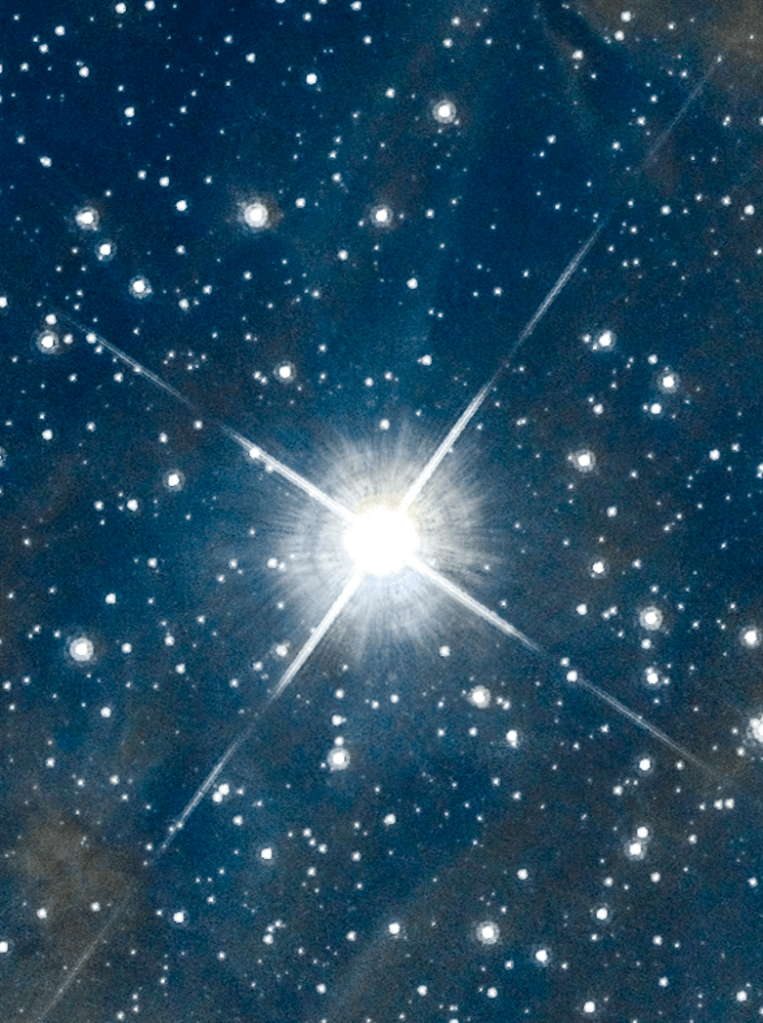
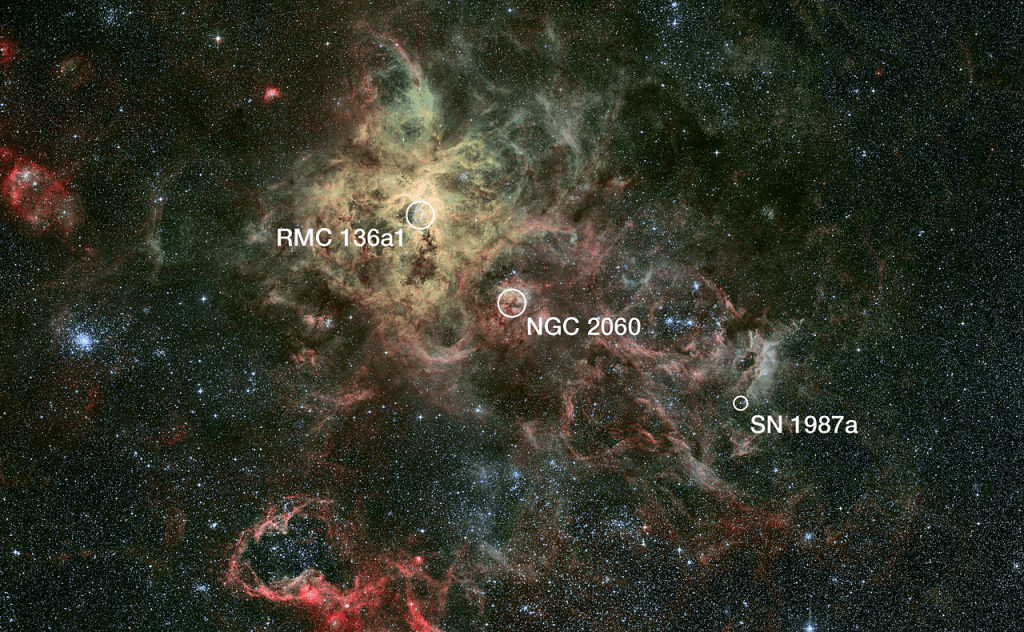
The Tarantula Nebula itself is the brightest nebula of its type in the galactic neighbourhood. The nebula hosts a couple of supernova, as well as the heaviest star ever discovered, designated as RMC 136a1, located within a cluster designated as RMC 136.
There are a number of star clusters within the Tarantula Nebula, that all formed at different times. The stars within each cluster though, are all born at around the same time. The stars can remain together forming stable associations under the influence of gravity, known as globular clusters, or scatter across the stellar nursery as open clusters.
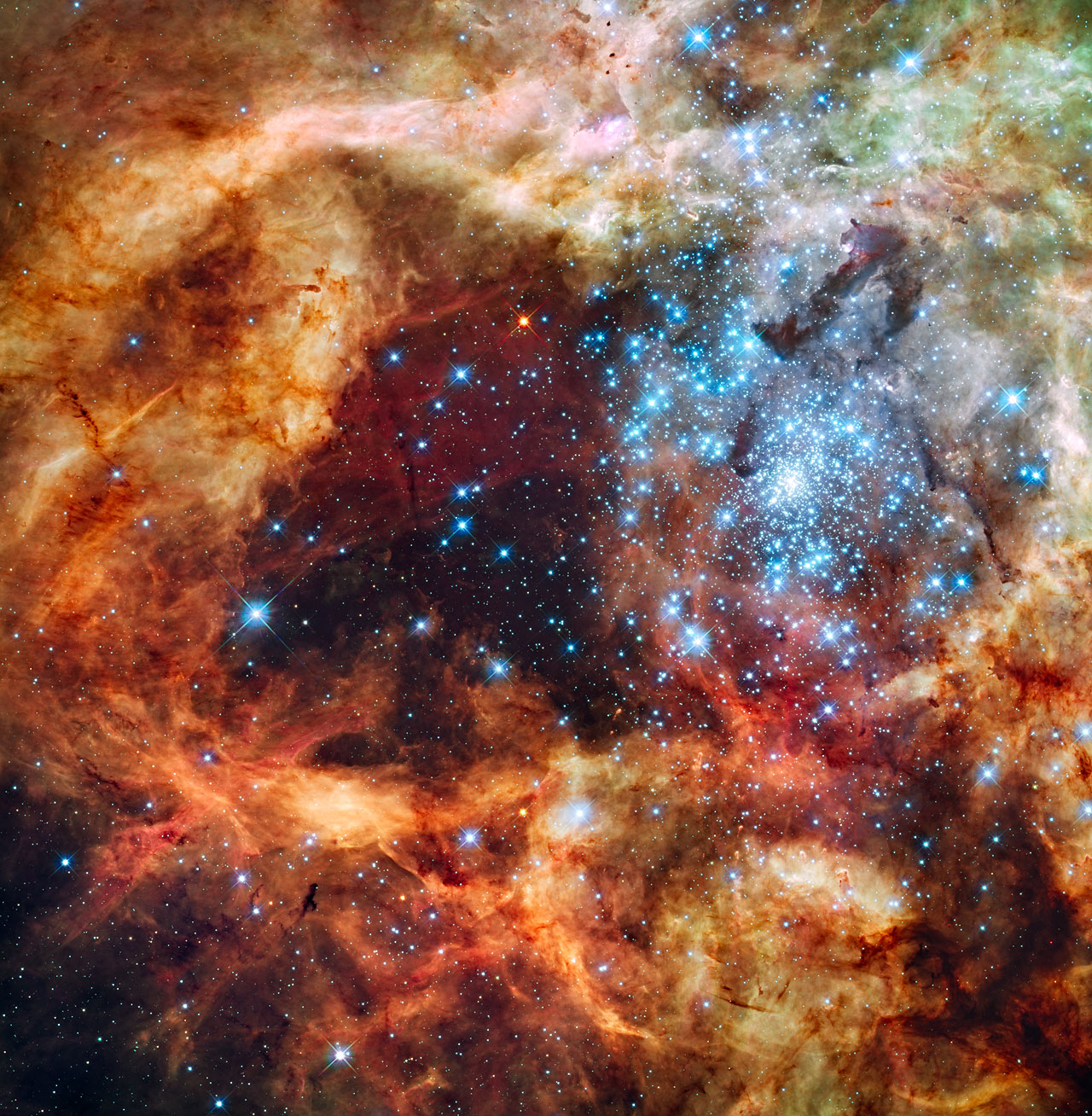
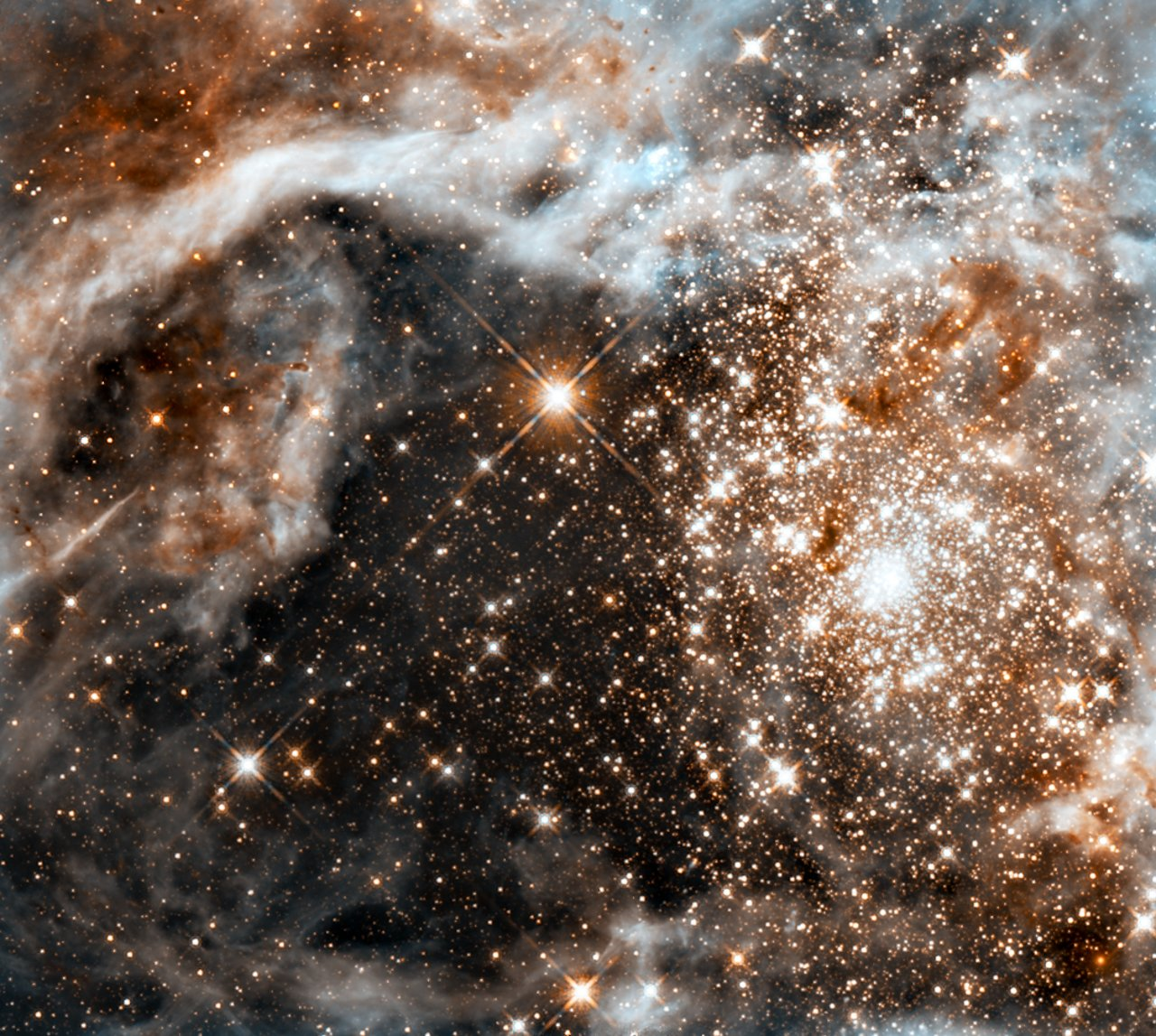
All these massive stars within RMC 136 are expected to explode around the same time in a few million years, similar to a string of firecrackers. The gravitational interaction between the LMC and the Milky Way may have triggered the formation of this star cluster.
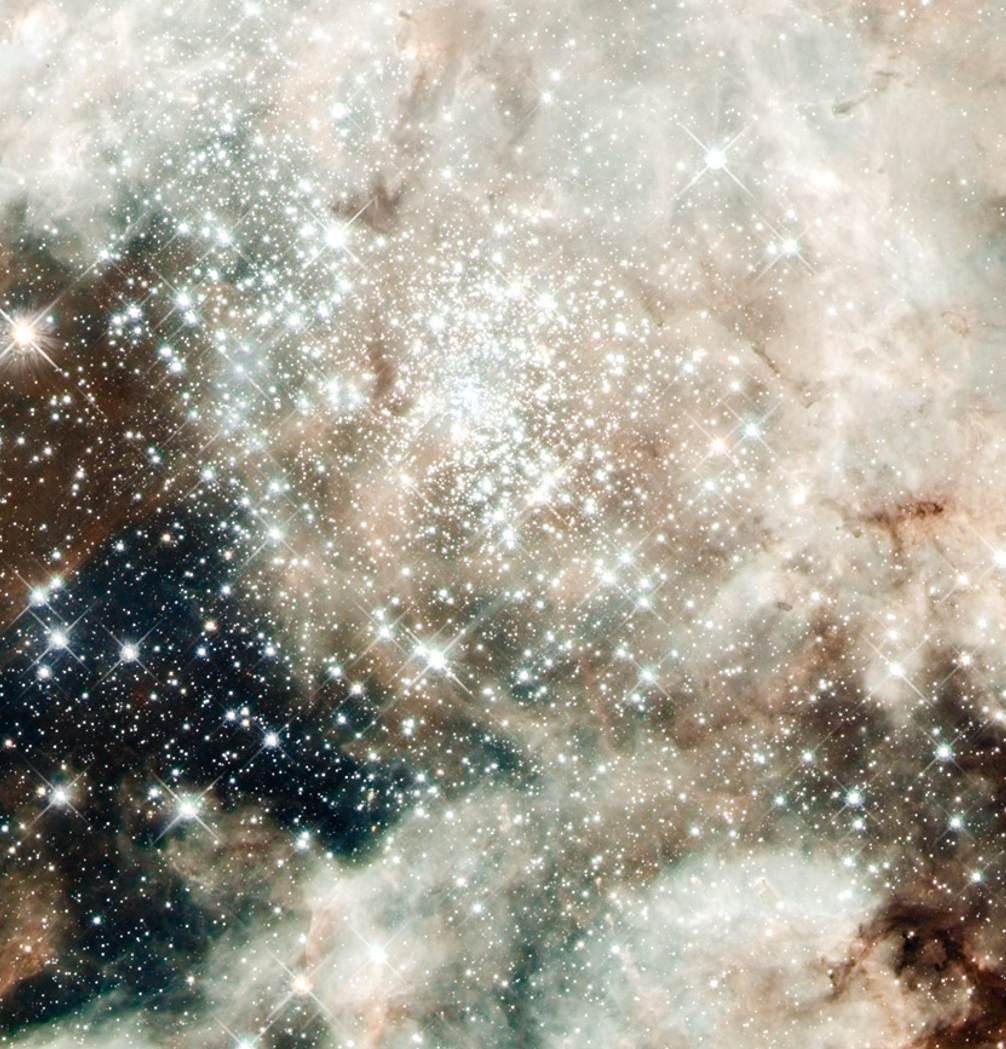
NGC 2070 or Caldwell 103 is the centrepiece of the nebula, containing over 50,000 stars. RMC 136 is the dense core of the cluster, containing around 10,000 stars.
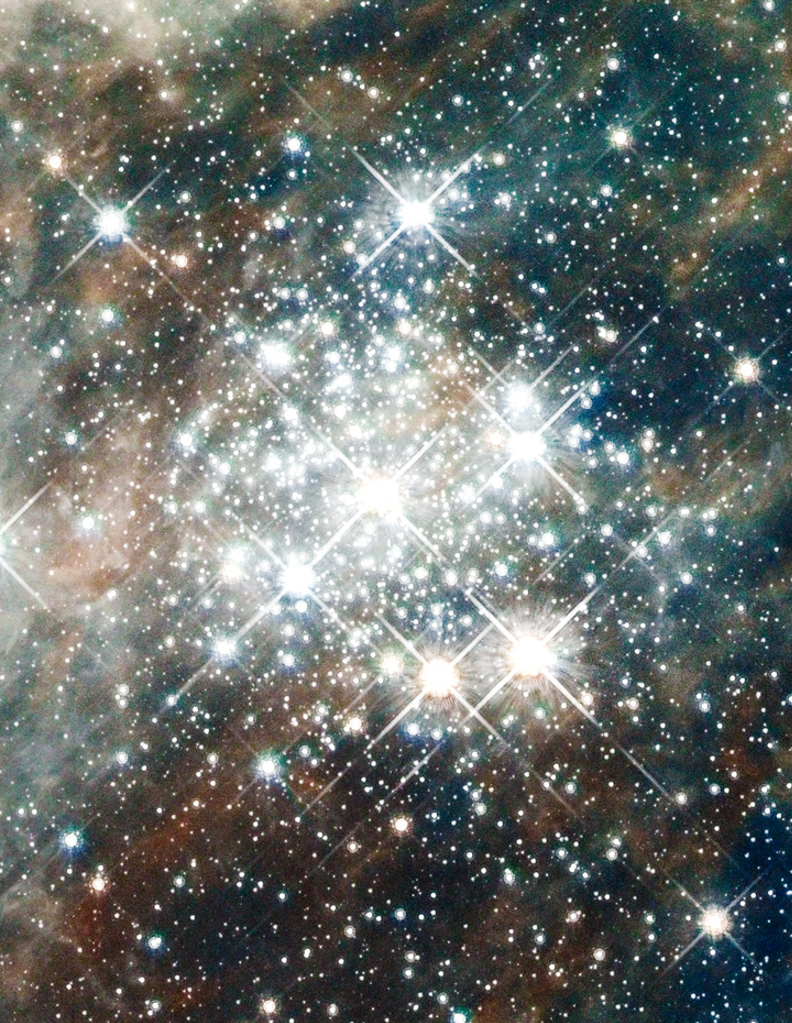
Hodge 301 contains many, old dying stars that are exploding in supernovas. The debris is slamming into winds from RMC 136, creating a ridge of star formation.
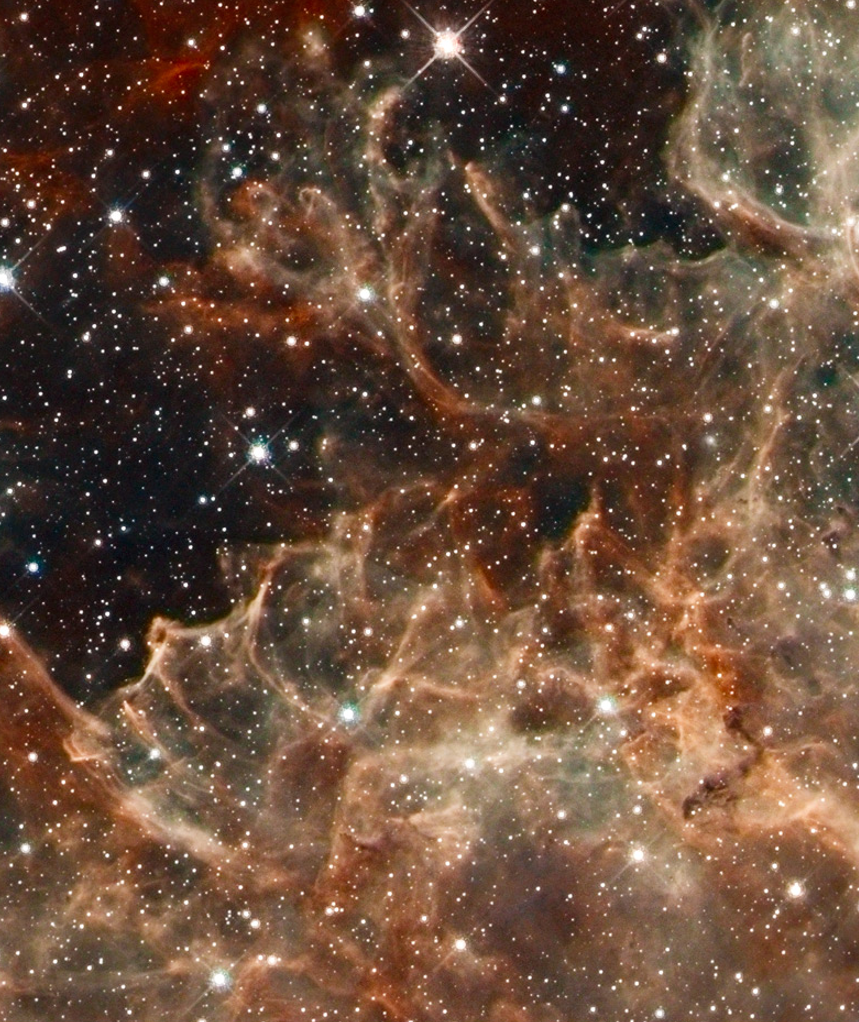
A region of the nebula that has been eroded by the winds from RMC 136. The dense columns of gas are several lightyears long, and are incubators for stars.
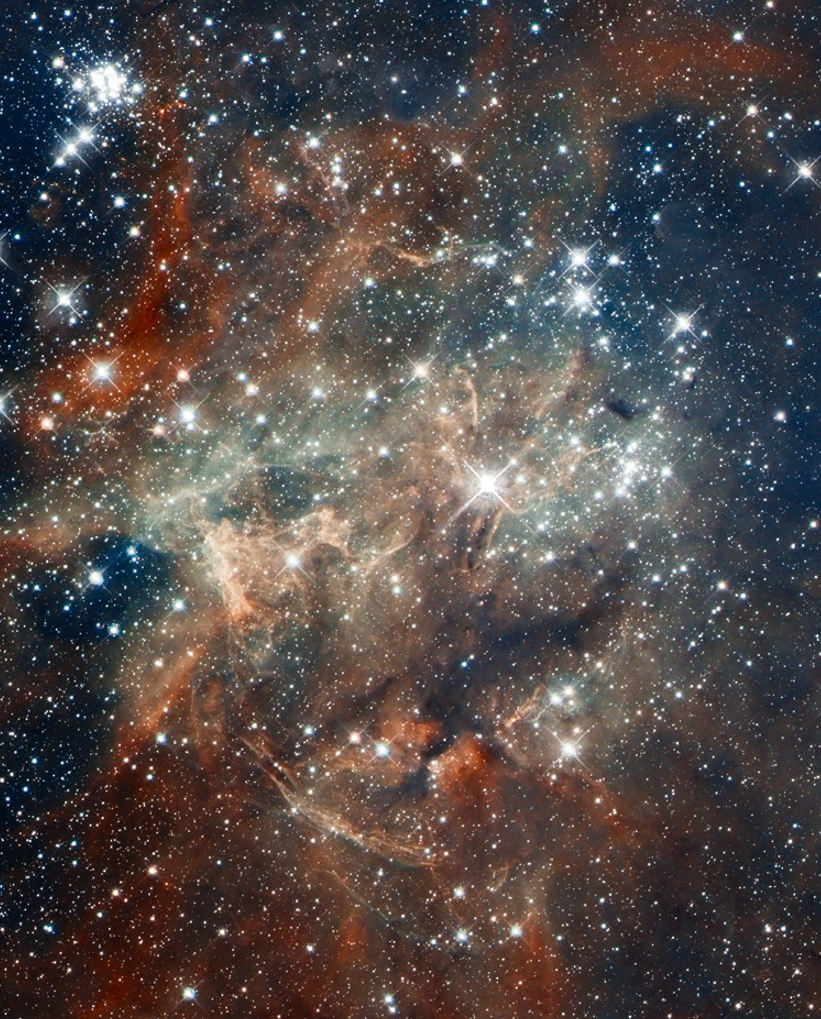
NGC 2060 is a loose collection of stars that are no longer gravitationally bound. They will disperse within a few million years, even as they start dying out.
The stars within NGC 2070 are less than two million years old. Several of the stars within its dense core are as massive as a hundred suns. The neighbouring Hodge 301 cluster has stars between 20 and 25 million years old. Many of these are ageing, red-giants on the verge of going supernova, shedding their outer shells in violent explosions. The outer layers of exploded stars are ramming into the furious winds from NGC 2070, resulting in a wave of star formation between the two star clusters.
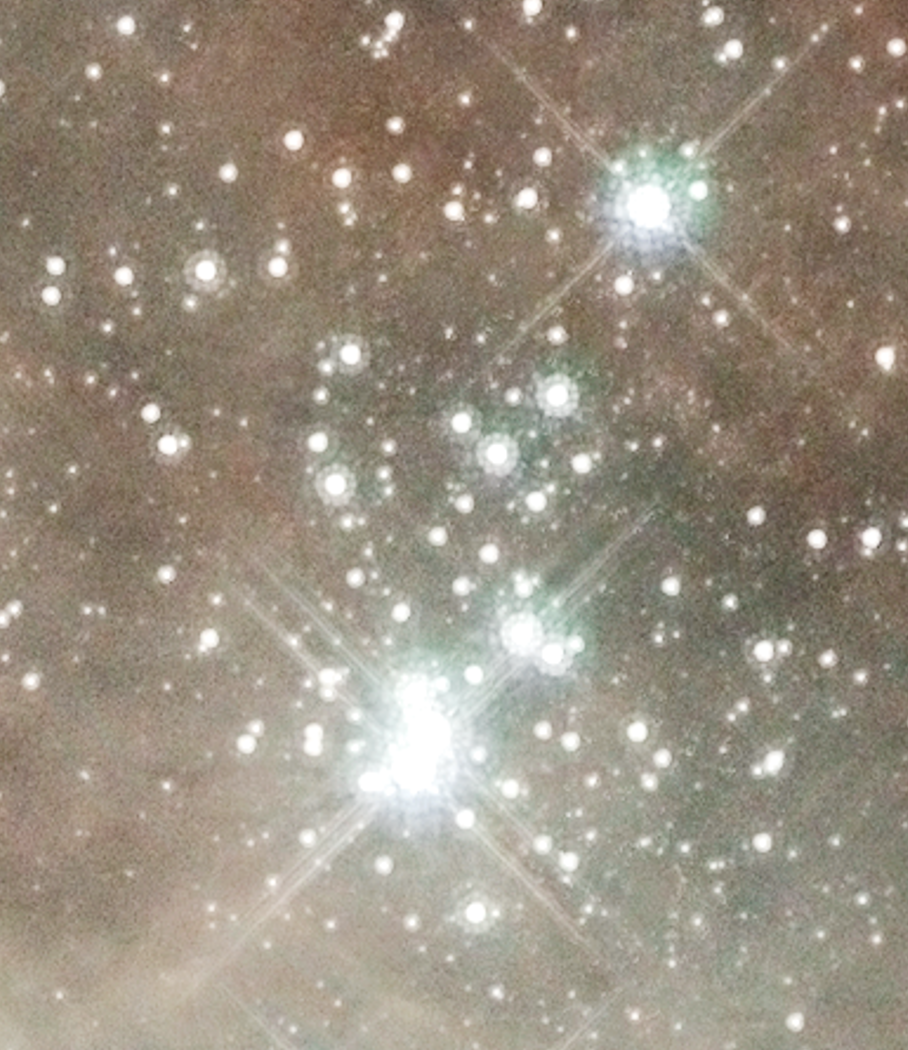
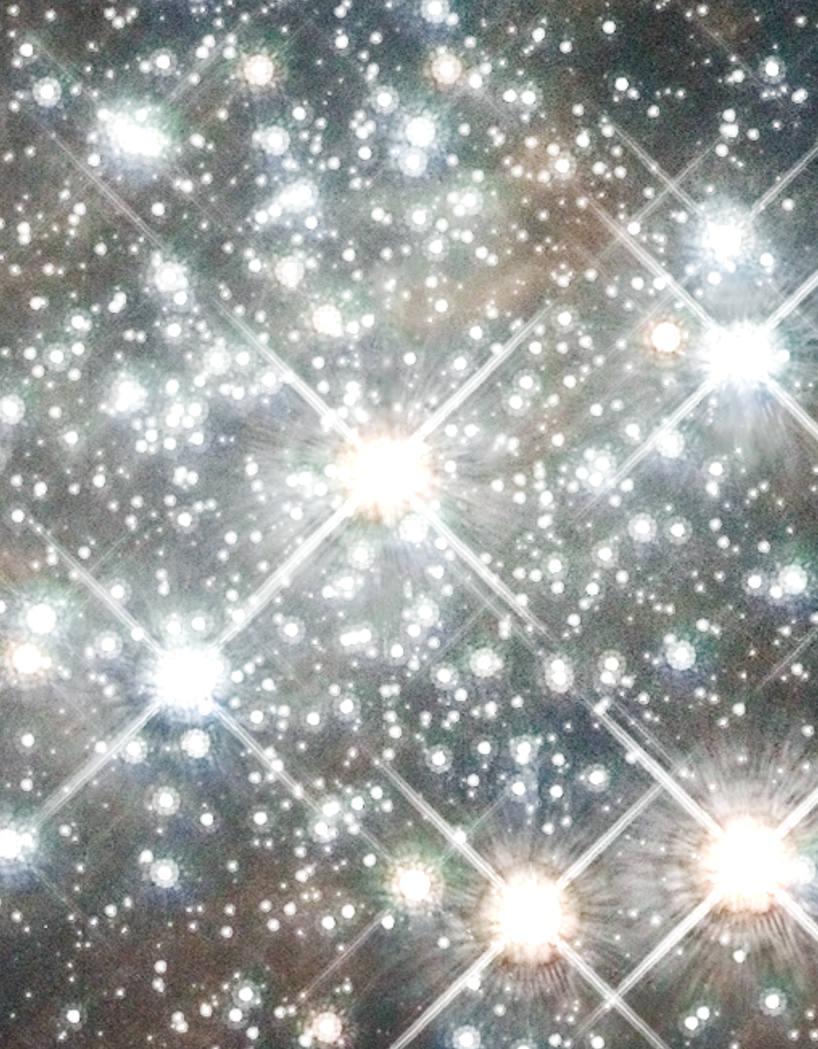
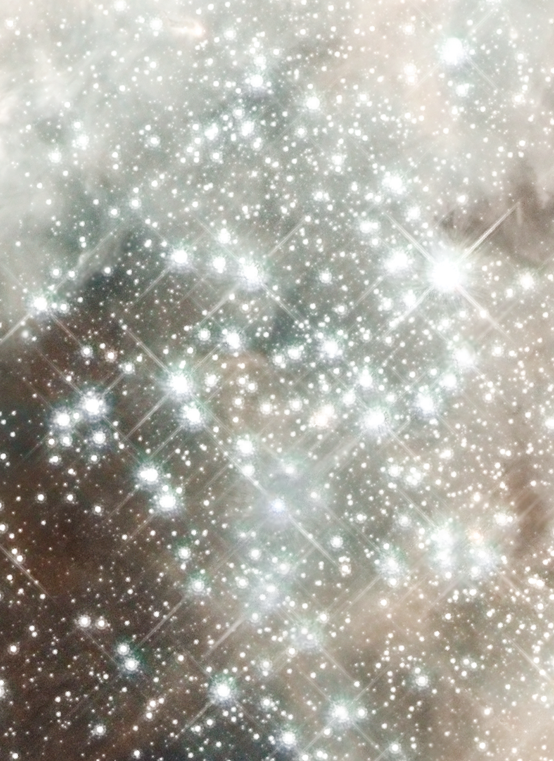
The massive, hot young stars burn bright, with the stellar winds blowing cavities and redistributing the surrounding clouds of gas and dust. The sculpting by the energies pouring out of young stars can cause dark filaments of gas and dust to increase in density, encouraging the formation of a new generation of stars. The same stellar winds can also erode and blow away the dark filaments, causing them to dissipate.
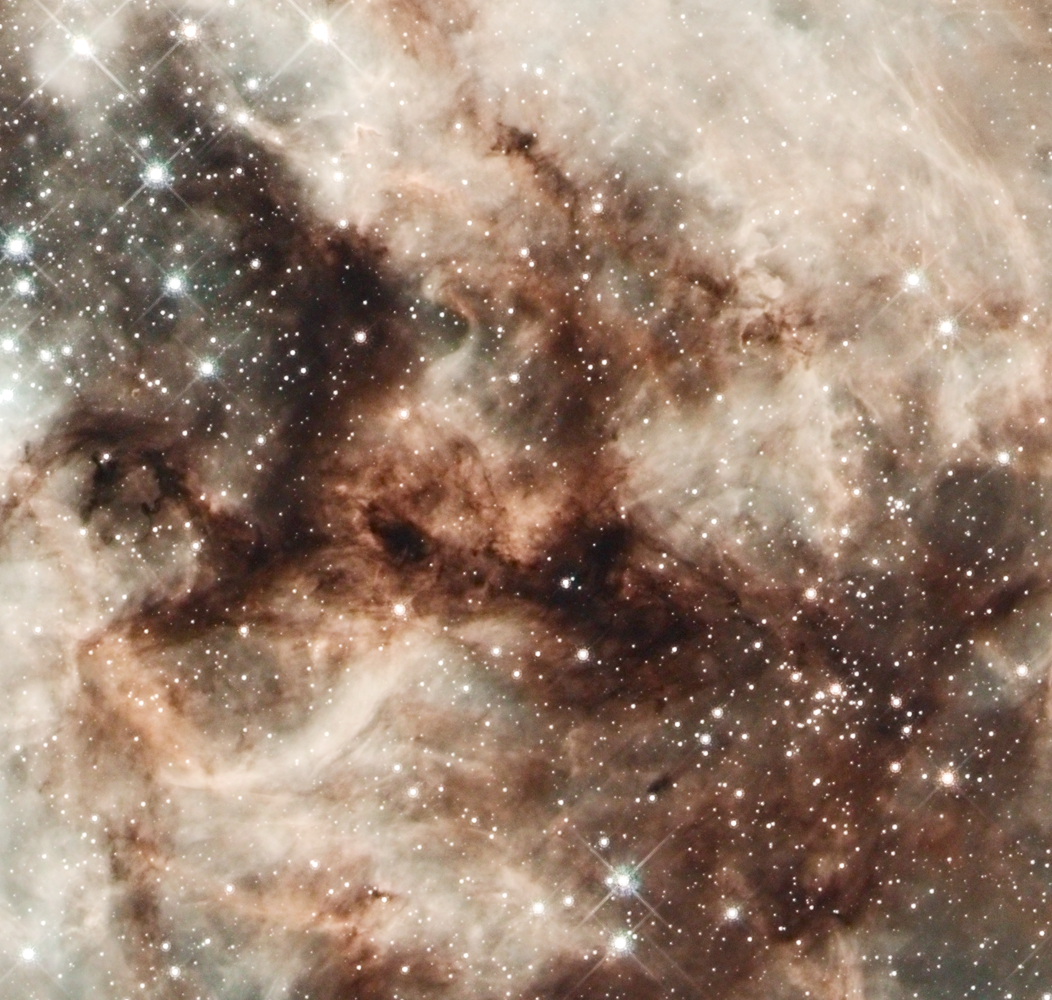
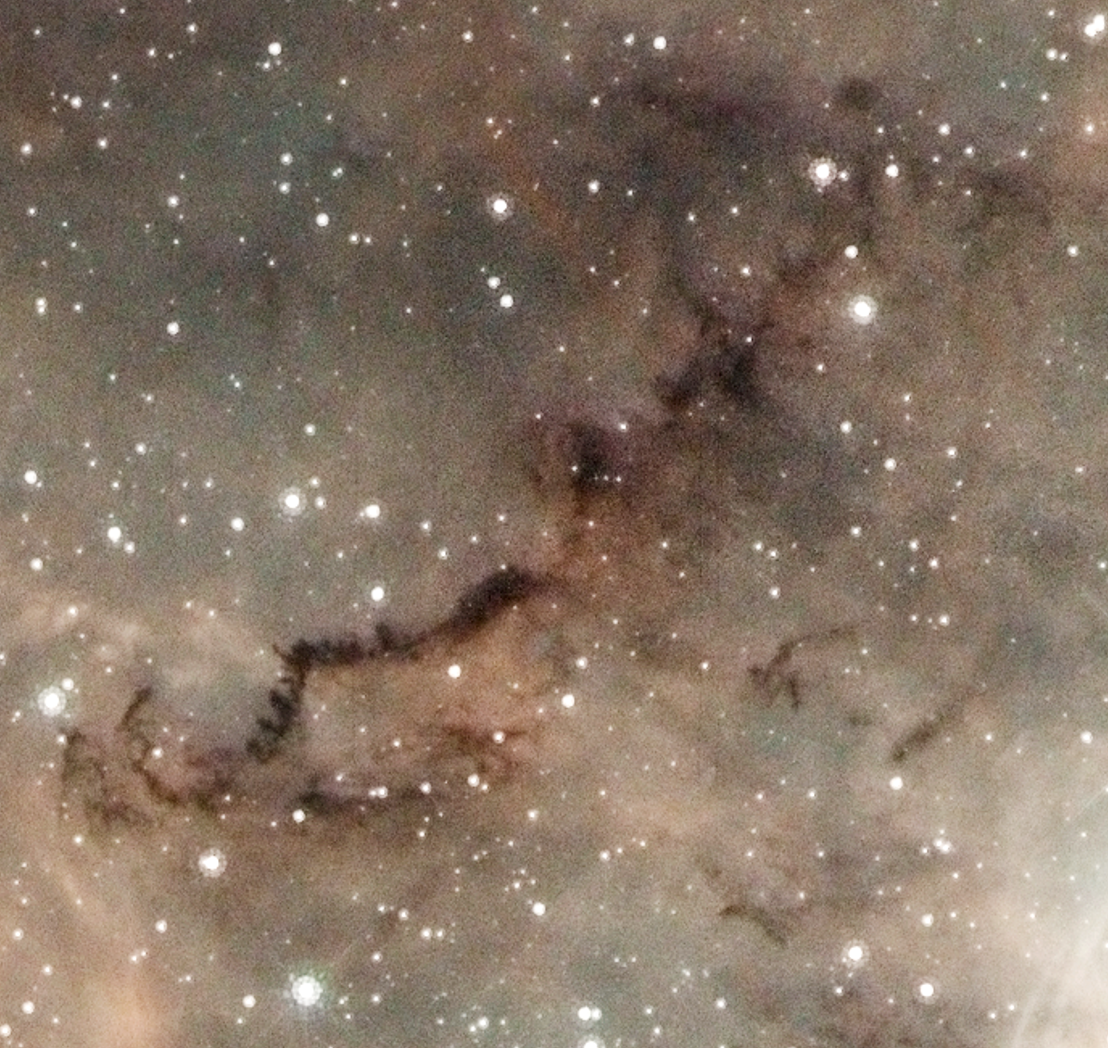
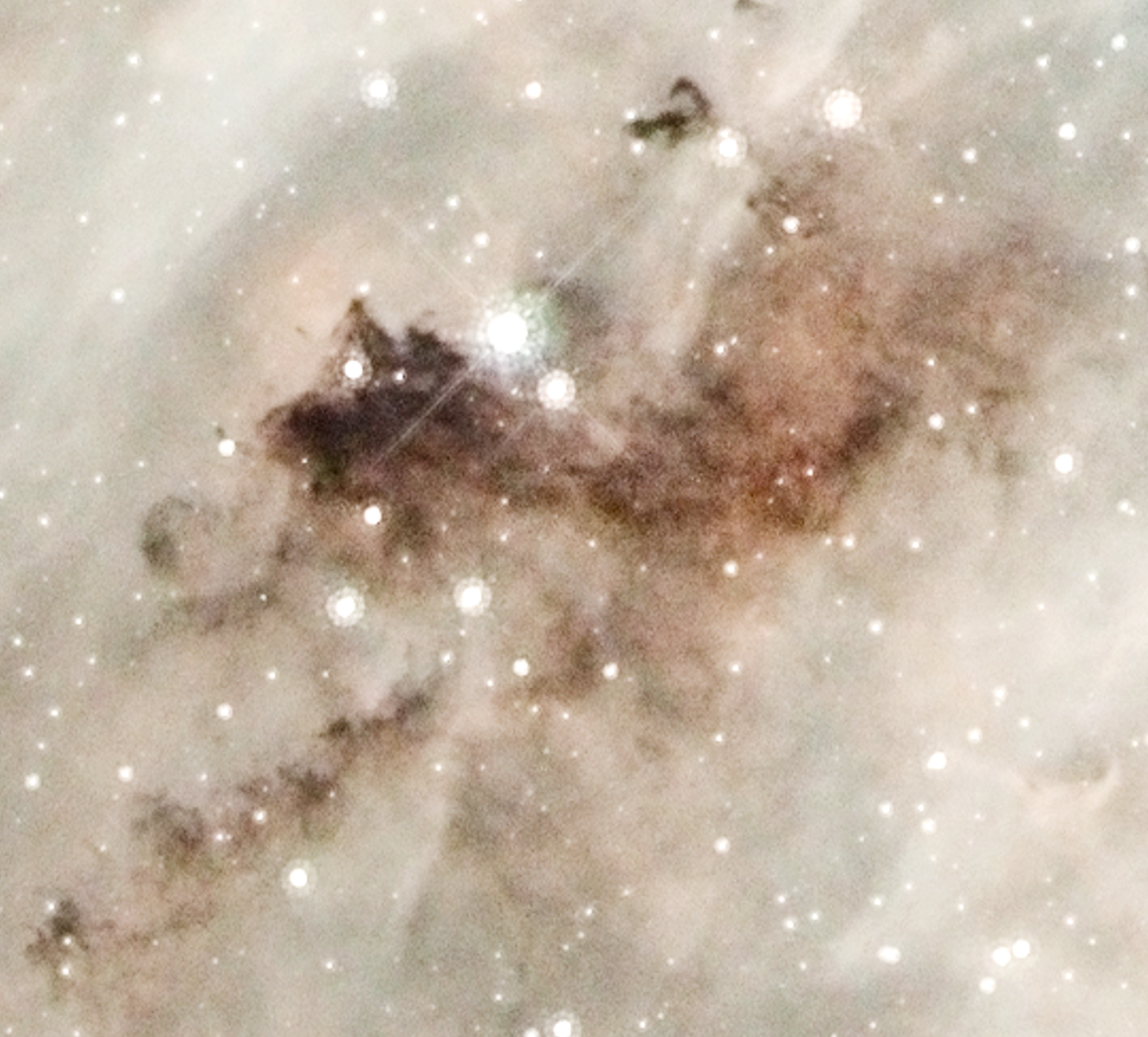
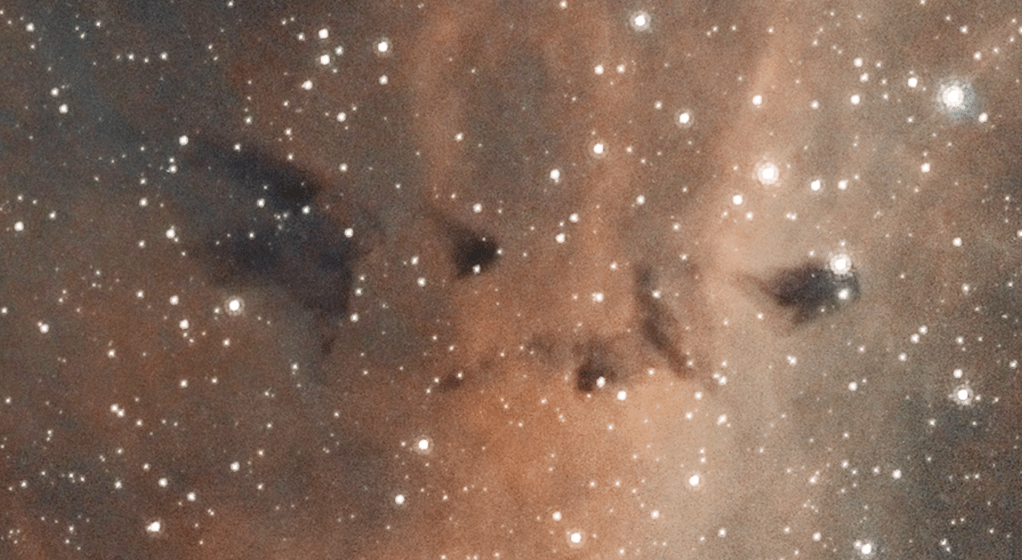
The smallest and densest of these dark clouds are known as Bok Globules. These irradiated globules are rapidly getting eroded by the stellar winds in the region, but still contain the potential to manufacture thousands of stars.
All of the features of the stellar nursery displayed above are marked in this annotated version. This is a violent and dynamic corner of the universe.
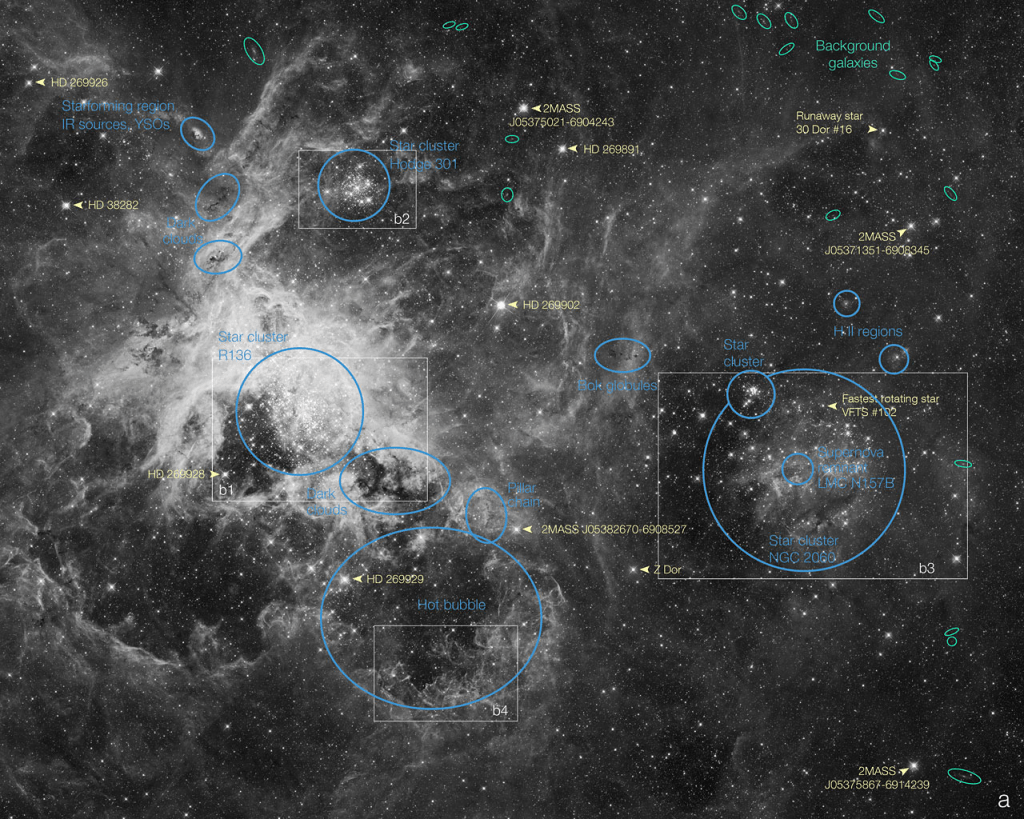
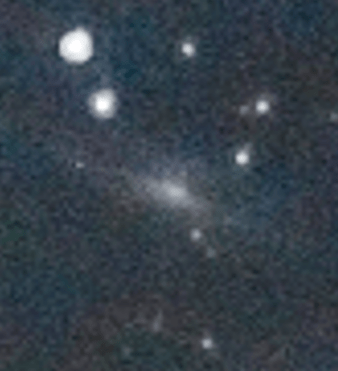
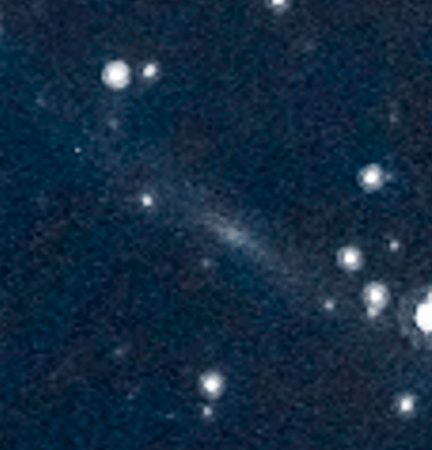
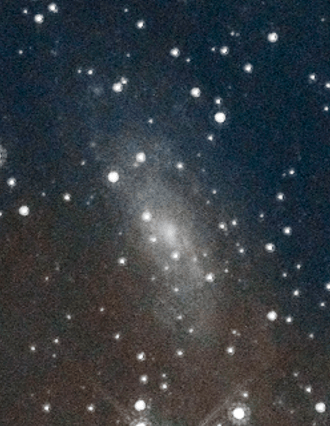
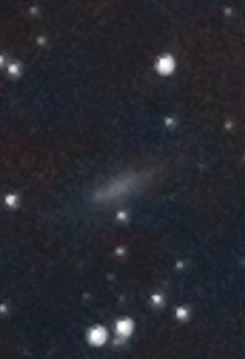
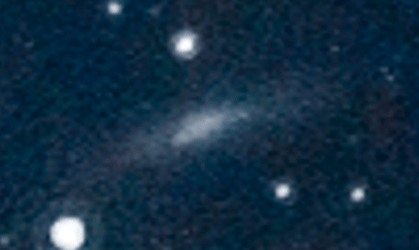
The background galaxies are distant sources that are obscured by the gas and dust in the Tarantula Nebula. Some of these galaxies are visible in the fringes of the nebula, where the density of the material is reduced. These background galaxies provide a frame of reference to measure the positions and motions of the stars within the LMC, and the Tarantula Nebula.
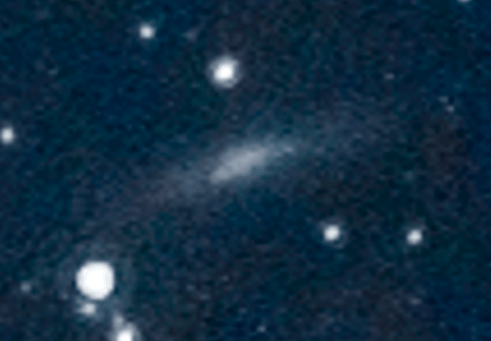
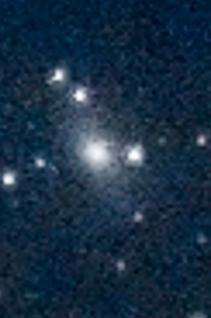
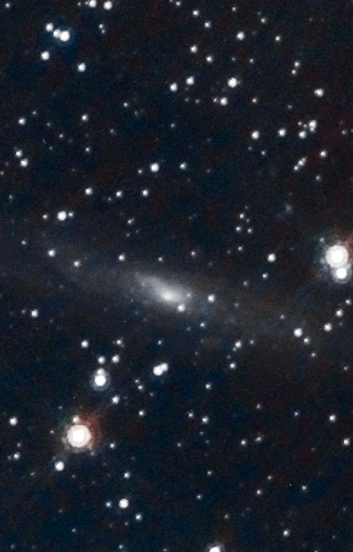
Ultraviolet Ultraviolence
The Tarantula Nebula has spawned extreme stars, among the largest and hottest in the universe. These stars explode violently after their brief lives, seeding the environment with enriched material for a new generation of stars.
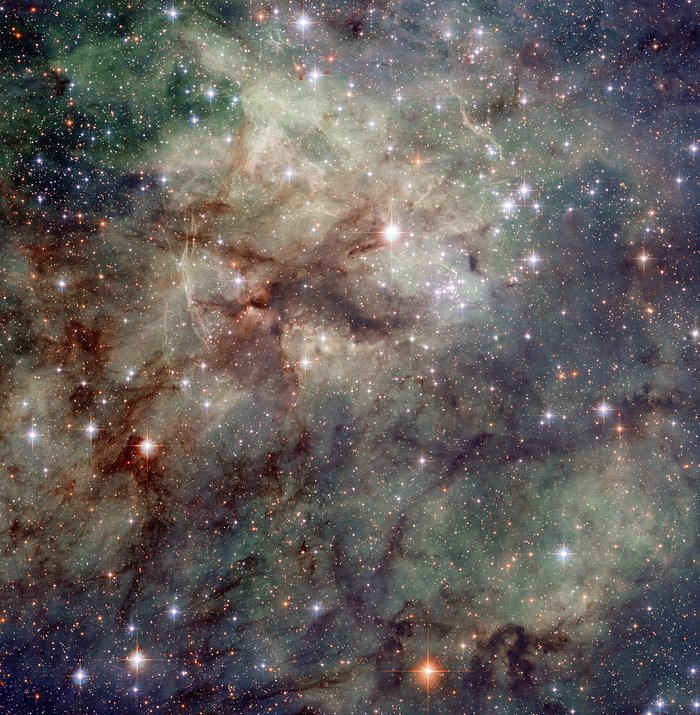
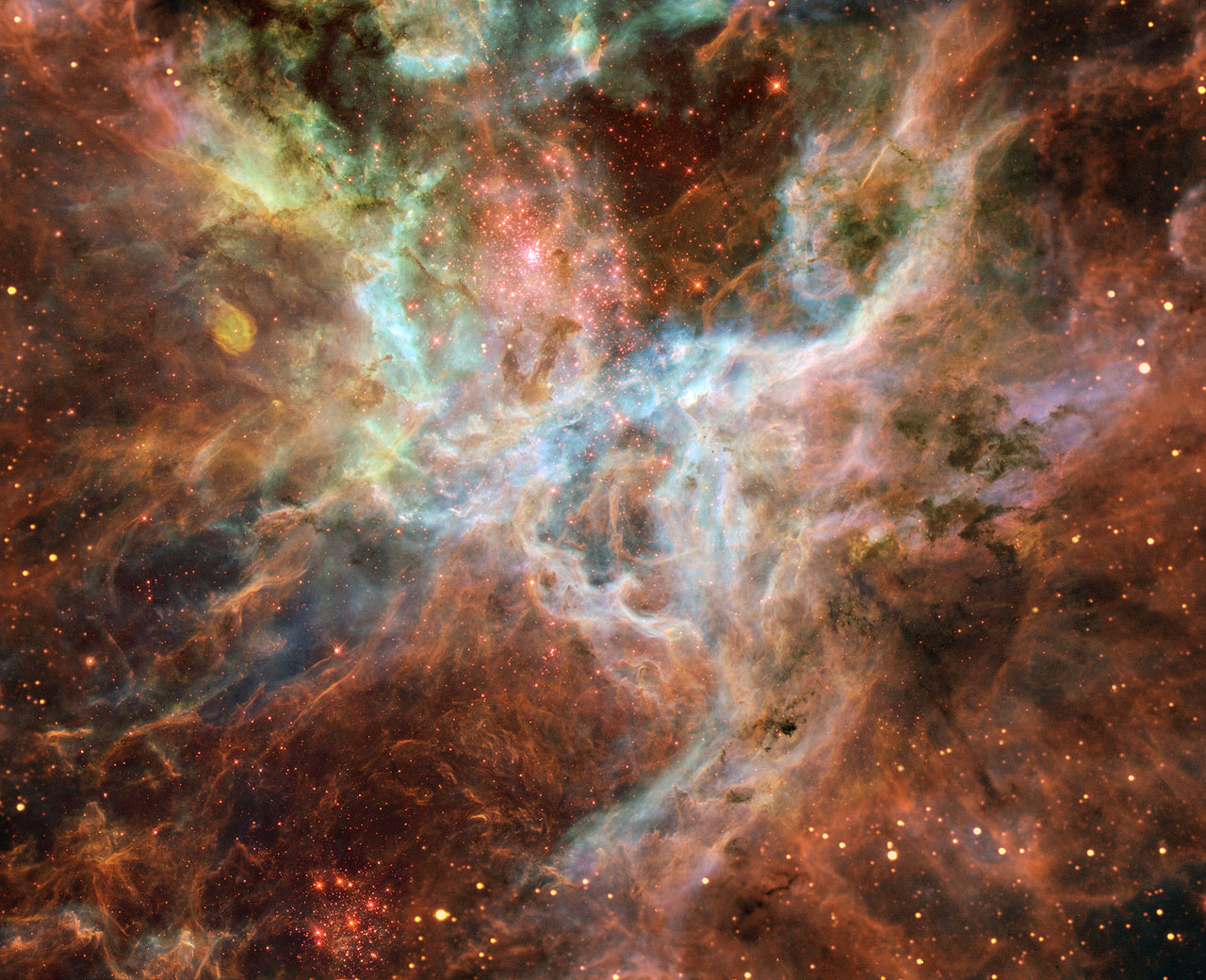
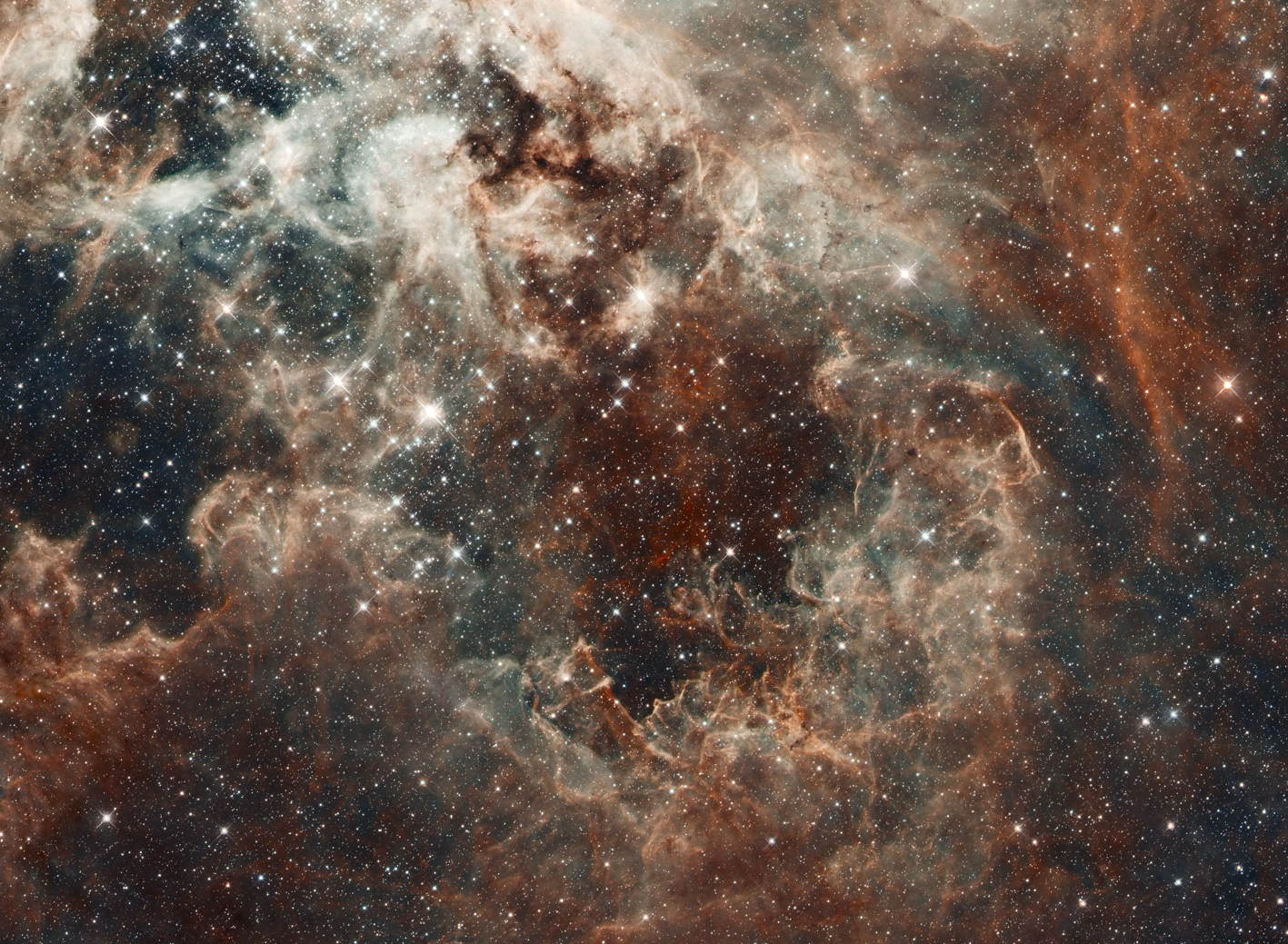
Image Credits:
Tarantula Nebula (NIRCam): NASA, ESA, CSA, STScI, Webb ERO Production Team
Hubble’s panoramic view of a star-forming region, Labelled view of the Tarantula Nebula, Close-up images of features in the Tarantula Nebula: NASA, ESA, ESO, D. Lennon and E. Sabbi (ESA/STScI), J. Anderson, S. E. de Mink, R. van der Marel, T. Sohn, and N. Walborn (STScI), N. Bastian (Excellence Cluster, Munich), L. Bedin (INAF, Padua), E. Bressert (ESO), P. Crowther (Sheffield), A. de Koter (Amsterdam), C. Evans (UKATC/STFC, Edinburgh), A. Herrero (IAC, Tenerife), N. Langer (AifA, Bonn), I. Platais (JHU) and H. Sana (Amsterdam)
Annotated wide-field view of the Tarantula Nebula (ground-based image): NASA, ESA, ESO
30 Doradus, NGC 2060, NGC 2070, Tarantula Nebula: NASA, ESA
30 Doradus, R136, Tarantula Nebula: NASA, ESA, J. Walsh (ST-ECF), Acknowledgment: Z. Levay (STScI), Credit for ESO image: ESO, Acknowledgments: J. Alves (Calar Alto, Spain), B. Vandame, and Y. Beletski (ESO), Processing by B. Fosbury (ST-ECF)
30 Doradus: NASA, ESA, and F. Paresce (INAF-IASF, Bologna, Italy), R. O’Connell (University of Virginia, Charlottesville), and the Wide Field Camera 3 Science Oversight Committee, and the Hubble Heritage Team (STScI/AURA)
Hodge 301, R136, Tarantula Nebula: ESA/NASA, ESO and Danny LaCrue

Leave a comment