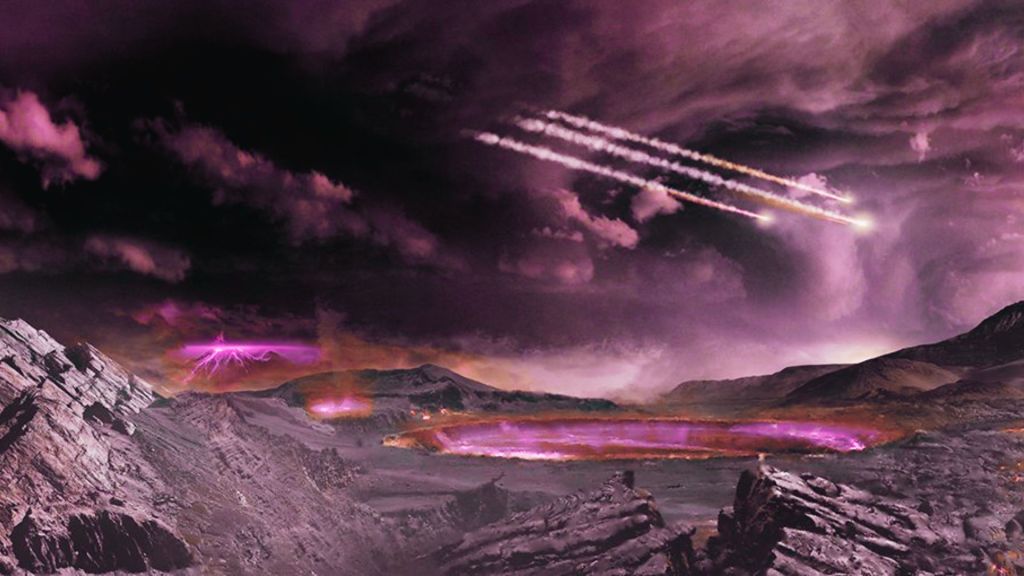
Warm little ponds and hydrothermal vents on terrestrial worlds are great places for carbon-based lifeforms with complex biochemistries to spring up, that breathe oxygen and use water as a solvent. With these lifeforms serving as a template, it is possible to imagine alternative biochemistries where oxygen is swapped for sulphur or carbon is swapped with silicon. Life can potentially use liquid methane or ammonia on sufficiently cold worlds as solvents instead of water.
Prebiotic chemistry starts in hot corinos, the warm gas envelopes surrounding embryonic stars, well before the formation of planets or even their host stars. The interplay of complex organic molecules in vapour and ice form forges the ingredients essential for life, that can subsequently find their way into planets and then to the oceans of temperate, terrestrial worlds. Extremophile microbes may just eke out a living on dust grains in interstellar space, using cosmic rays as an energy source in the absence of a nourishing sun.
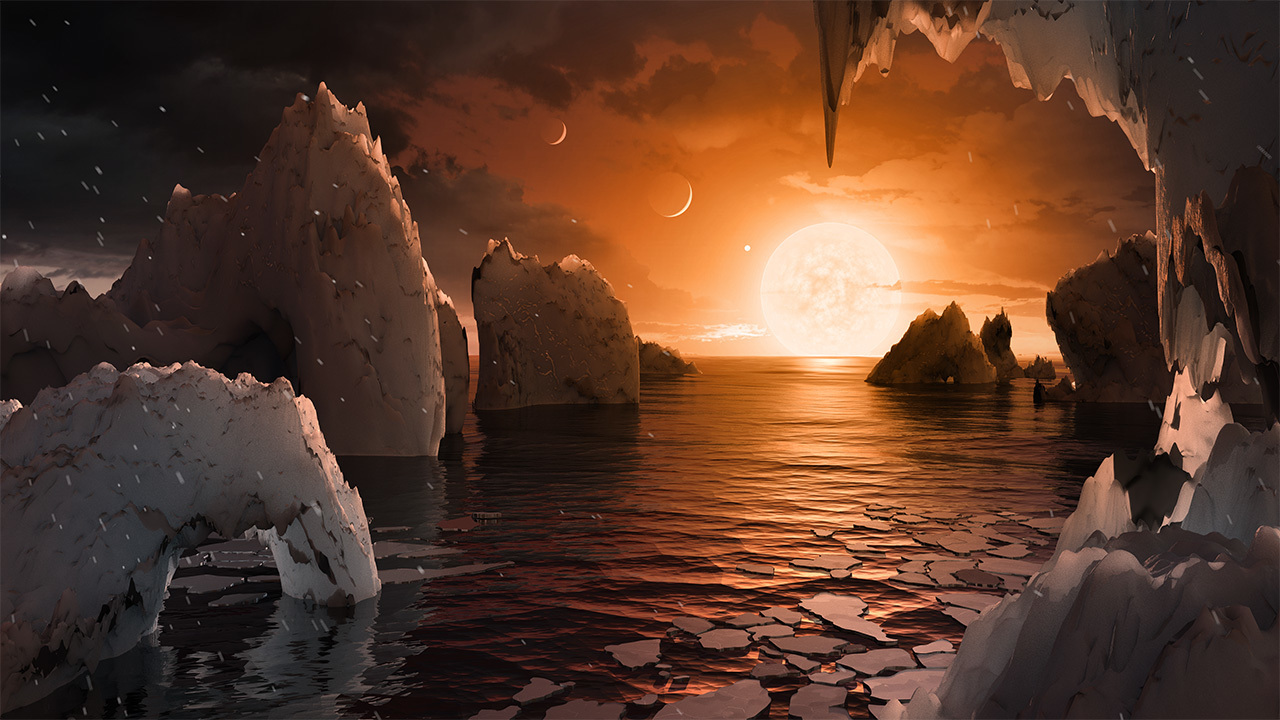
Drake Equation: A method comprised of a series of factors to estimate the chances of detecting signals from intelligent civilisations, used to justify the search for such signals.
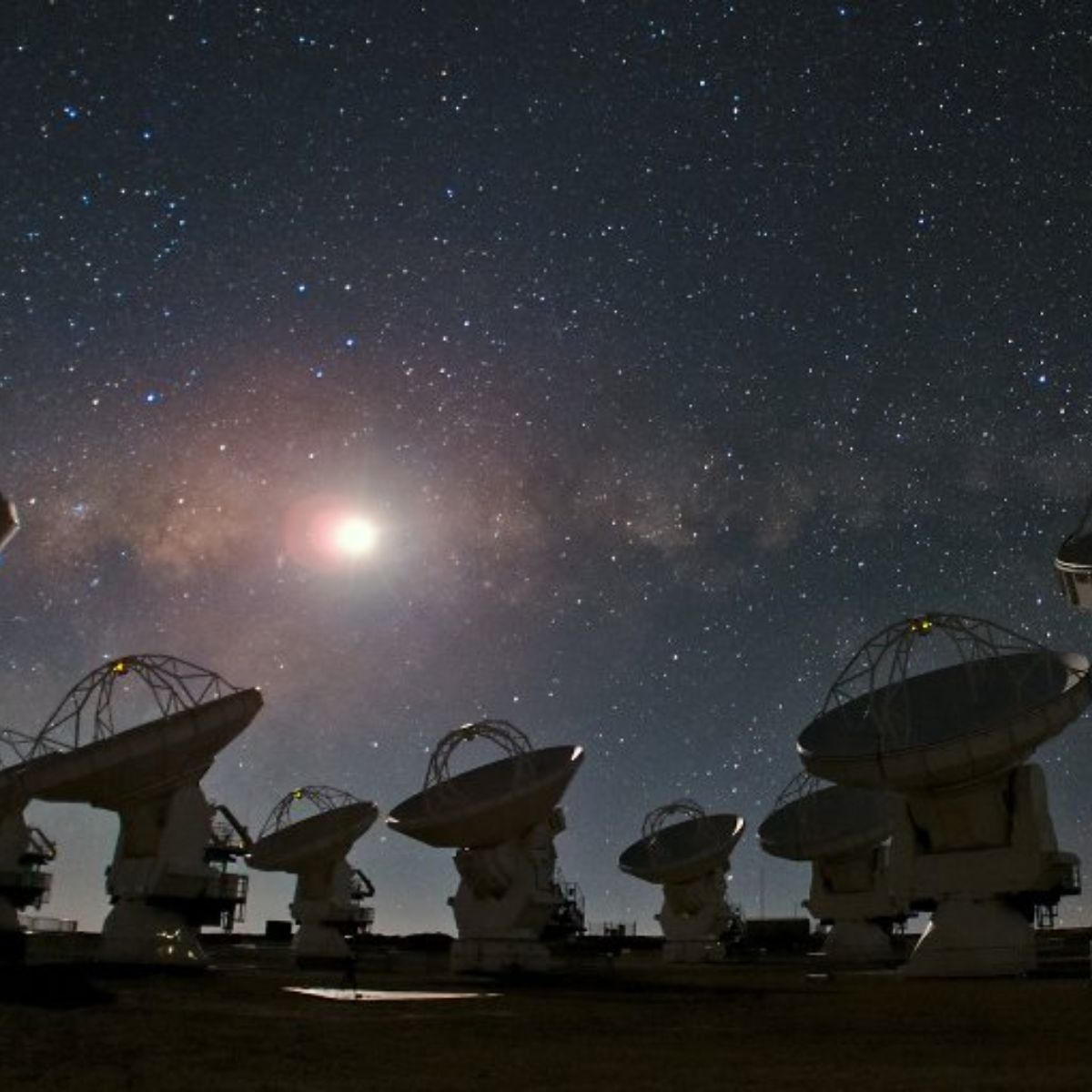
The Great Silence: The lack of any signals detected from advanced civilisations, despite decades of search, primarily conducted through radio antennas.
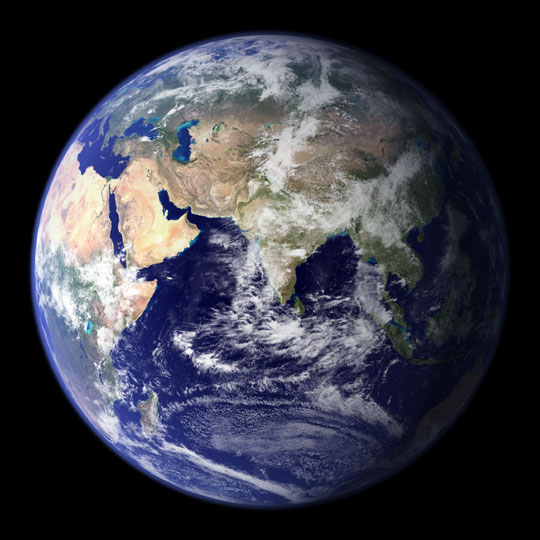
Rare Earth: The paradigm that the emergence of life requires a series of unlikely coincidences, and there is no other intelligent advanced civlisation occupying the Milky Way.
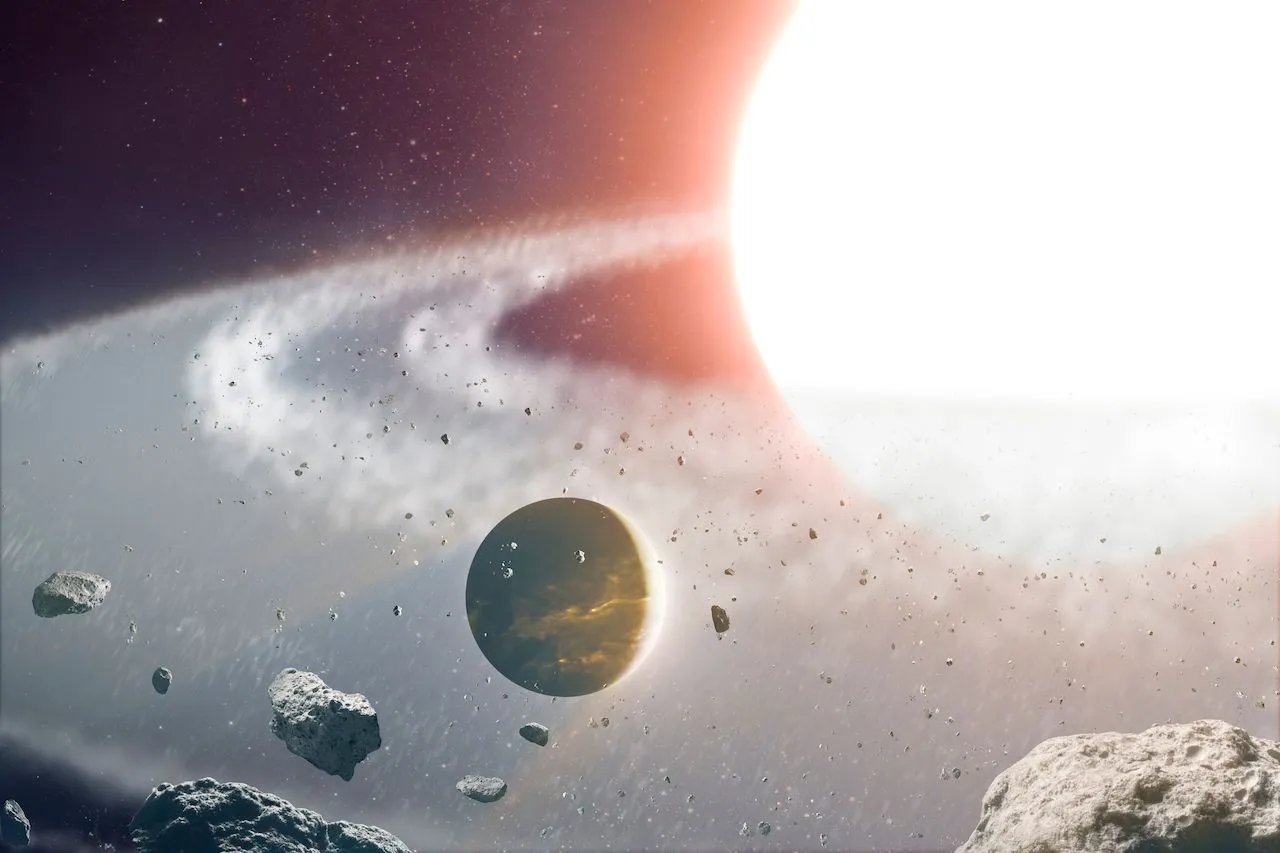
The Great Filter: An unknown process that prevents any advanced spacefaring civilisation from spreading beyond its home star. Humanity’s days may be numbered.
Across the universe life may be teeming on terrestrial planets in habitable orbits, ice worlds with global subsurface oceans, and water worlds with hydrogen-rich atmospheres. Exotic lifeforms may include self-organizing plasma structures in high-energy environments such as stars and nebulae, or have evolved to directly use electromagnetic energy, or exist in an utterly alien form. The degree to which the emergence of life is constrained, in the various provided opportunities across the cosmos, are not fully understood. Life may be rare after all, and have emerged only once – but not necessarily on Earth.
Life may have emerged at the dawn of time, in a young, hot universe when the entire cosmos was warm enough for liquid water. Life could have sprung up from water masers or overlapping supernovae from the deaths of the first generation of stars, and then spread across the universe, taking seed at every available opportunity, distributed in microscopic vehicles of dust grains through stellar winds, comets and meteors. According to the theory of Panspermia, the universe is a biosphere with all life within sharing its ancestry. It is not easy to accept that the empty void of night is teeming with life. As physicist Enrico Fermi famously asked, “Where is everybody?”
Fermi Paradox
Trillions of stars twinkle in the night sky. Even if a marginal fraction of these harbour lifeforms, life should be common in the universe. It may just be possible that while life is common, it may just be too rare to make it unlikely for contact to take place between intelligent species in a galaxy at the same time. Entire civilisations may rise and fall without exchanging a message with anyone else. There might be a great filter, or a barrier, self-destruction, environmental collapse or catastrophic extinction, that prevents intelligent civilisations from colonising stars.
Another possibility is that it is intelligence that is rare, not life. While the universe may be teeming with life, none, at least in the neighbourhood, have advanced to building communication equipment. The understanding of the technosignatures detectable over interstellar distances is incomplete. The essence of life may just be the propogation, or indeed, merely the buildup of information, in digital or biological form, with the ultimate agnostic technosignature being the waste heat generated by energy sources. If so, such a signature may potentially be found in the infrared portions of the electromagnetic spectrum, where heat and light are the same.
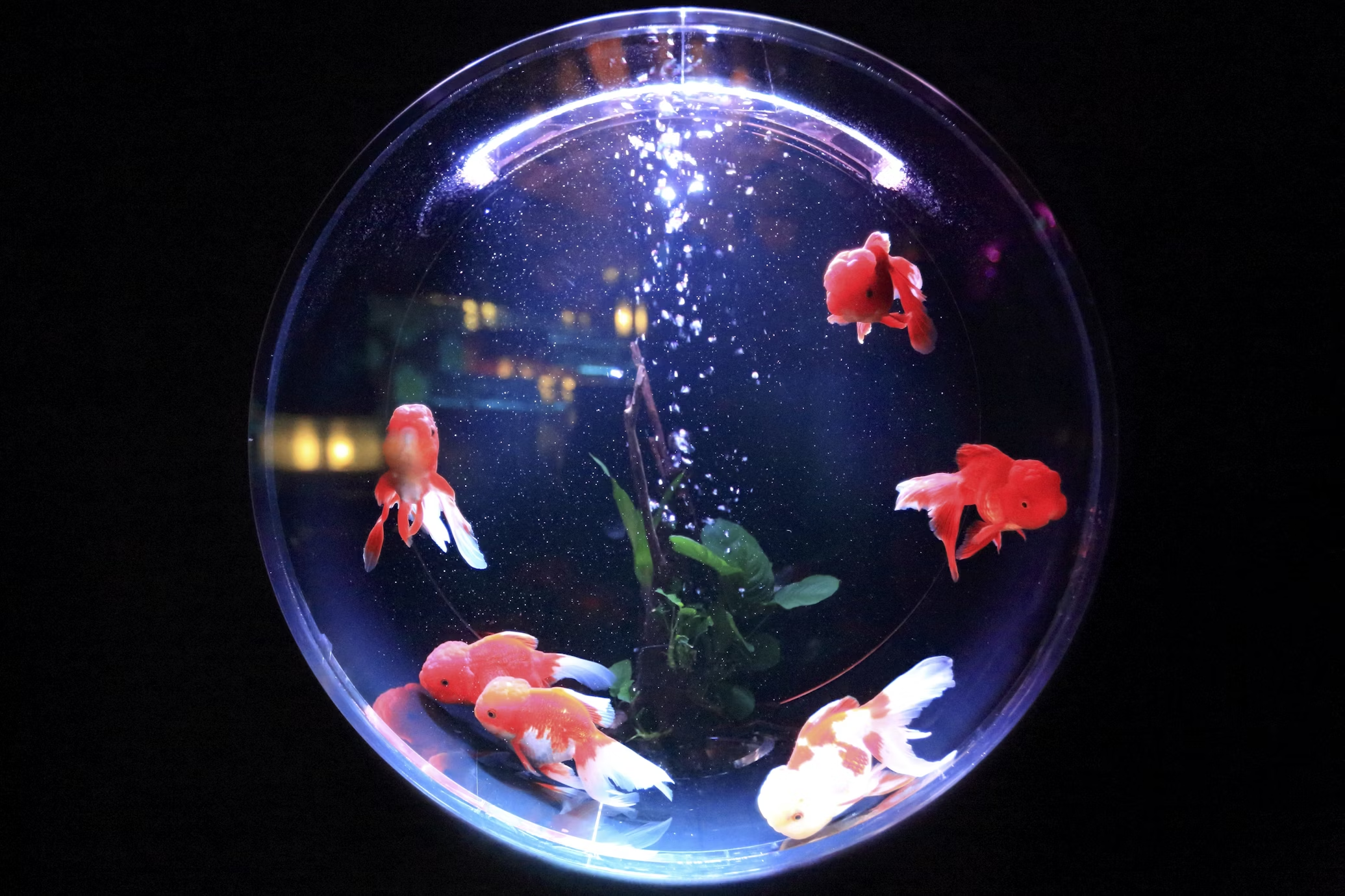
Zoo Hypothesis: Advanced civilisations are aware of life on Earth but are deliberately avoiding contact to preserve humans in their natural environment, similar to a zoo.

Simulation Hypothesis: Our reality is not the ‘base reality’, but a simulated reality created by higher intelligences, explaining how the cosmos is so exquisitely tuned to produce life.
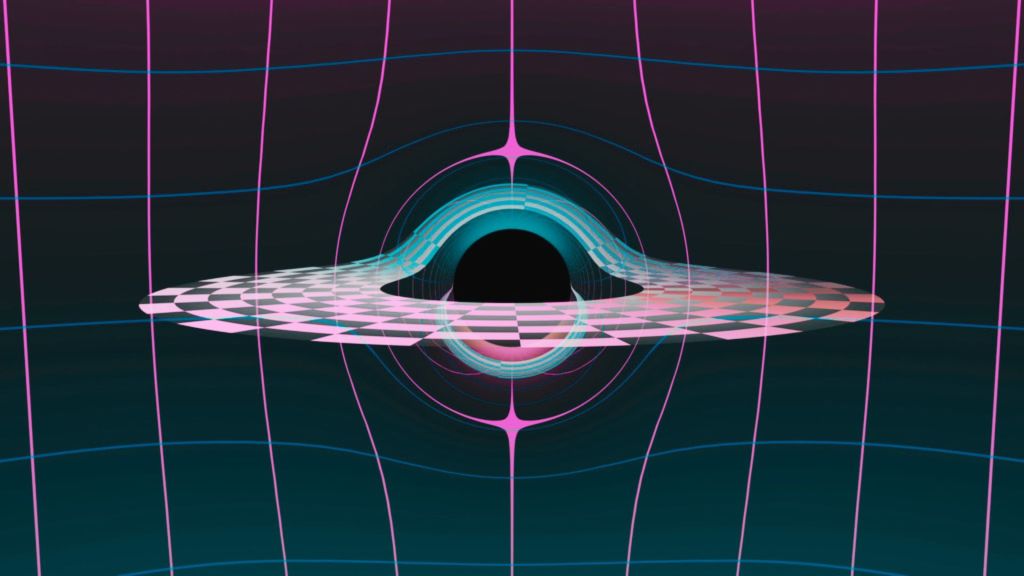
Advanced civilisations may just not use radio communications for very long, moving to more subtle and efficient means of communicating. According to the Transcension Hypothesis, advanced civilisations may tend to advance beyond the constraints of physical reality, moving into black holes, higher dimensions or synthetic realities. Such ascendence can allow intelligences to escape cosmic threats, gain independence from their host stars, optimise energy use and explore inner frontiers. If such a path is available, then most advanced species may have migrated to a timeless realm invisible to our most sophisticated astronomical instruments.
The most advanced civilisations in the cosmos may naturally evolve beyond detection, becoming subtle residents of the spacetime fabric, communicating through gravitational waves, quantum entanglement, or dark energy.
Image Credits:
Cover Image: Early Earth, NASA Goddard Space Flight Center Conceptual Image Lab.
Trappist-1 f, NASA/JPL-Caltech.
ALMA, ESO/B. Tafreshi
Blue Marble: Image by Reto Stöckli, Render by Robert Simmon. Based on data from the MODIS Science Team
Halla, W. M. Keck Observatory/Adam Makarenko
Fishbowl, kazuend, Unsplash.
Glitching City: Bing Image Creator.

Leave a comment