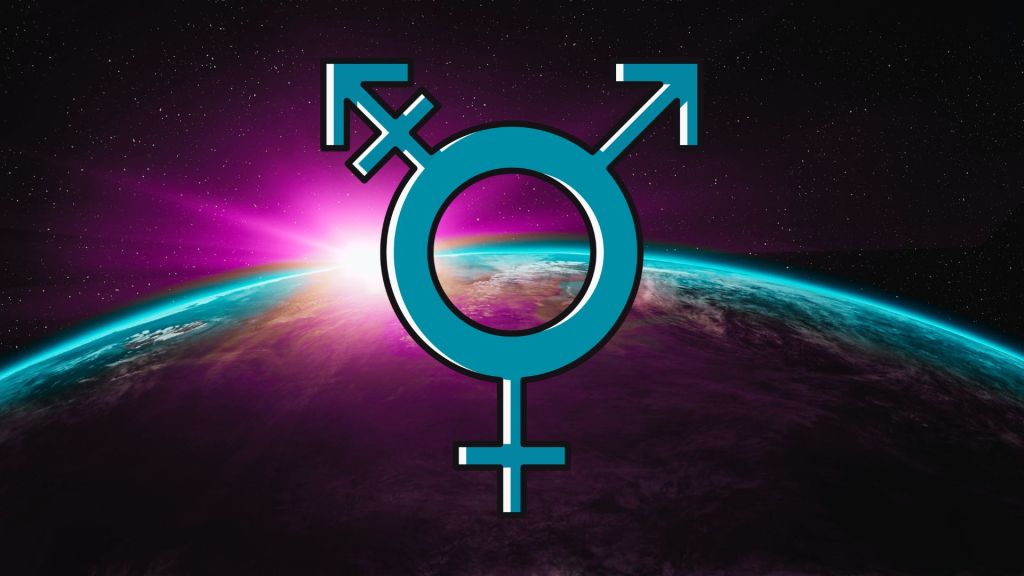
A debut or maiden launch is now called an inaugural launch, a manned mission is now a crewed mission and manned spaceflight is now human spaceflight. They and them are neutral enough pronouns to use invisibly. Describing human beings as male or female is scientifically accurate, but is not acceptable, primarily because it dehumanises women. At a certain point, it just seems like all the effort is to avoid just one word, ‘men’.
The capabilities for humans to operate in space sprung out of technoindustrial complexes that were rooted in colonial powers that had set out to colonize new frontiers. Not everything out there is for us, and space is no longer the final frontier for humans to conquer. We are here to expand, explore, and settle instead of colonise, even though it means the exact same thing. A semipermanent habitation or even a camp is more appropriate today than a Mars Colony.
A careful linguistic shift accompanies each step forward, ensuring that no term echoes the ambitions of the past too loudly. The same logic applies to the machines that get us there—no longer “master” and “slave,” but “leader” and “follower.” The optics of power dynamics must be adjusted, even in the circuits of a robotic arm. The language of space is rewritten in real time, as if correcting history before it can repeat itself. Yet, for all these efforts, the rockets still launch, the habitats still rise, and the flags — whether we admit it or not — are still planted.
Language smoothens the janky edges of history, but it cannot erase the patterns that repeat beneath it. The avoidance of certain words does not prevent the inevitable struggles over land, water, and air—except now, the land is dust, the water is ice, and the air must be manufactured. Perhaps the emphasis on “humanity” rather than “mankind” signals a genuine shift toward inclusivity, even if the systems that launch us skyward have yet to catch up. And perhaps, in the silence of deep space, where no one speaks and no words are needed, the question of what we call ourselves will finally cease to matter. This is us. Here we are.
What remains unchanged is the human instinct to push outward, whether we call it settlement or something softer. Words shift to ease discomfort, but actions remain largely the same: digging in, staking claims, making maps. Even the simplest rituals of spaceflight, such as christening or rather, naming a ship or a module, are carefully curated to evoke unity without implication. It is a balancing act between acknowledging history and sidestepping it. And so, we embark or wander not as conquerors, not as colonists, but as something else — something unnamed, but unmistakably familiar.

Leave a comment